WhatsApp

Primary Peritoneal Cancer: Robotic, Keyhole or Open?

Shah’s Gastro, Cancer & Robotic Surgery Centre

Tapping Book on WhatsApp will likely open the WhatsApp app on your phone.

Last updated: 03-Nov-2026

Biopsy, chemotherapy and the main operation, with the robot used where it helps · Gota OPD, Gota, Ahmedabad · Apollo Hospital, Bhat, Gandhinagar

IN SHORT

Primary peritoneal cancer starts in the thin lining of the belly. It behaves like ovarian cancer and is treated in the same way, with chemotherapy and a large operation to remove all visible disease.

The robot has a narrow place here. It is useful to take a biopsy and to judge whether the disease can be removed. The main operation is usually done through an open cut, because the disease is spread widely.

The plan is set after scans, a biopsy and a tumour board discussion, not by the choice of machine.
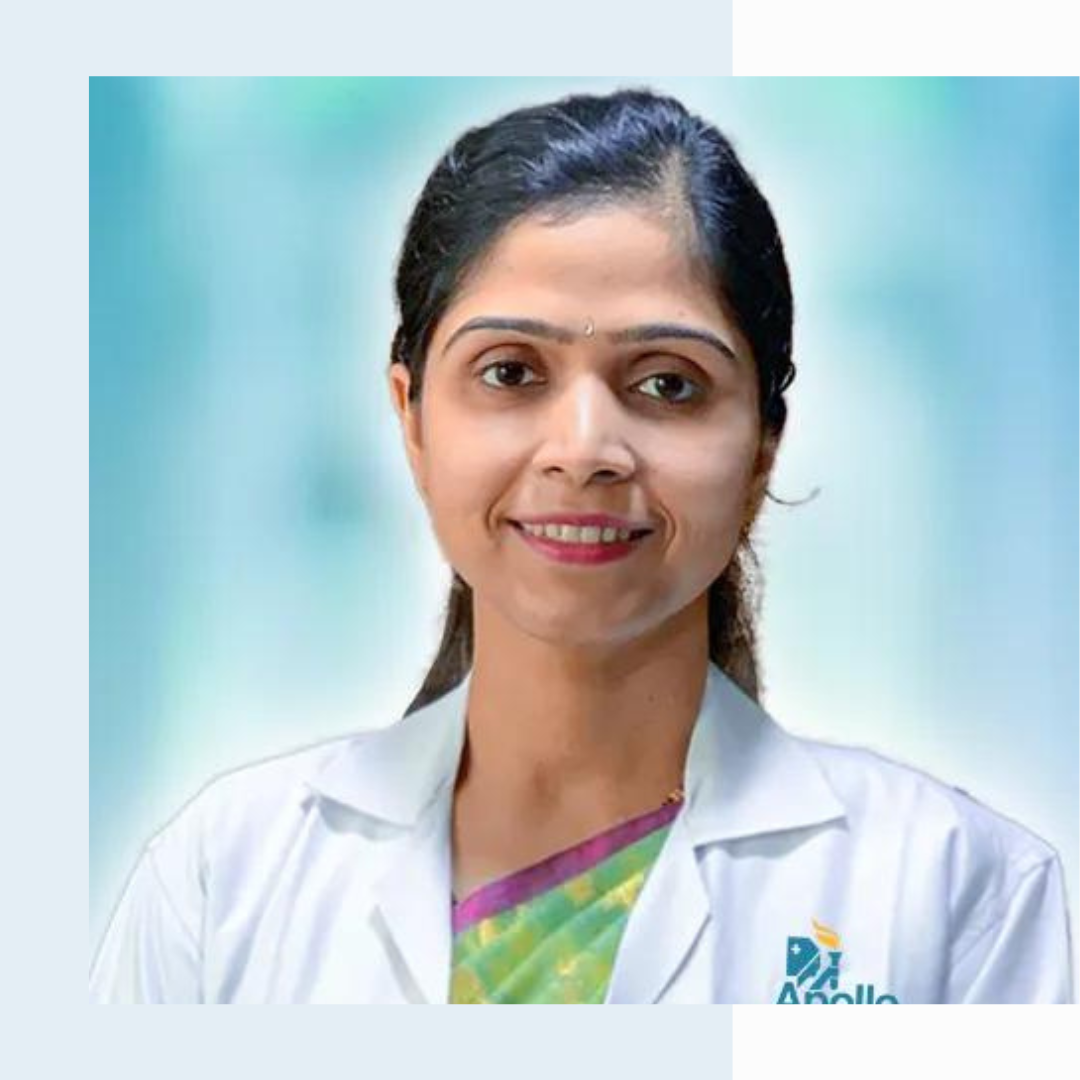
Dr Swati Shah, robotic gynaecological cancer surgeon, Ahmedabad

Dr Swati Shah
MS, DrNB (Surgical Oncology)
Robotic Cancer Surgeon
Apollo Hospital, Bhat, Gandhinagar · Gota OPD, Gota, Ahmedabad · 18 years of experience
★★★★★ 4.99 from 84 Google reviews (Gota clinic) · 5.0 from 37 (Apollo, Bhat)

Who advises you. Dr Swati Shah holds MS, DrNB (Surgical Oncology) and has spent 18 years in cancer surgery, after surgical training at Maulana Azad Medical College, Delhi and cancer-surgery training at Rajiv Gandhi Cancer Institute and Research Centre, Delhi. She treats cancers of the ovary, tube and belly lining, and uses the robotic console where it is the safer route. When it is not, she will say so plainly.

Each case goes before a tumour board. A surgeon, a medical oncologist, a radiologist and a pathologist give their views together.

This page deals with the belly-lining form. For the whole range of ovarian cancer surgery, see ovarian cancer surgery in Ahmedabad.

What primary peritoneal cancer is

The peritoneum is the smooth sheet that lines the belly and covers the bowel. Primary peritoneal cancer begins there, with the ovaries normal or only slightly involved.

Under the microscope it looks the same as the common type of ovarian cancer, and it spreads in the same way, across the surface of the belly. That is why it is treated like ovarian cancer. It is found mostly in women past fifty. It can also appear after the ovaries have been removed.

  • A swollen belly. Fluid collects in the belly, called ascites.
  • Bloating and early fullness. The bowel is pressed on by the disease.
  • Vague belly discomfort. It is often put down to gas or acidity for months.
  • Tiredness and loss of appetite. These come as the disease grows.

How it is confirmed

Cancer cells must be seen on a sample before treatment begins. A scan and a blood test only raise the suspicion.

  1. CT scan or MRI. It maps the thickening of the lining and the nodules in the belly.
  2. CA-125 blood test. It is often high. It guides the response to treatment later, and does not make the diagnosis by itself.
  3. A sample. This is taken from fluid, by a needle guided with a scan, or at a keyhole look into the belly.
  4. Tests to rule out other sources. Stomach, bowel and breast cancers can spread to the belly lining and look alike. So endoscopy and a breast check are often done.

Where the robot helps, and where it does not

The robot is a tool for keyhole work. It helps when a small look or a limited operation is enough. It does not help when disease must be cleared from the whole belly.

The robot in primary peritoneal cancer
StepRobotic or keyholeUsually open
Biopsy and first look.A keyhole look takes samples and shows how widely the disease has spread.Not needed when a scan-guided needle is enough.
Judging if it can be removed.The look scores the spread over the bowel, diaphragm and liver surface.An open cut is chosen directly if the scan shows heavy disease.
Main operation.Only for a patient with little disease left after chemotherapy, in a few selected cases.Most often, to reach the whole belly, the diaphragm and the pelvis.
Port-site and instrument limits.The view of the upper belly is limited.An open cut gives a full view and a full feel of the disease.

The aim of the operation is to leave no visible disease behind. A cut that reaches every part of the belly matters more than a small scar. A fair surgeon will not use the robot if it makes this aim harder.

The order of treatment

There are two sound routes, and the choice depends on how much disease there is and how fit you are.

  1. Operation first. If the scan shows disease that can be cleared fully and you are fit, the operation comes first, and chemotherapy follows.
  2. Chemotherapy first. If the disease is heavy, or you are weak, three cycles of chemotherapy shrink it. A scan then checks the response.
  3. Interval operation. After the response, the main operation is done, followed by the remaining cycles.
  4. Maintenance. Some patients are advised a tablet after chemotherapy to keep the cancer quiet, depending on the tissue tests below.

Both routes are accepted, and neither is a lesser choice. The tumour board decides which one fits you.

What the main operation involves

The operation is called cytoreduction. It removes every piece of visible disease, which is the single thing that most affects the outcome.

  • Womb, tubes and ovaries. All are removed, since they may carry disease.
  • The omentum. This apron of fat is removed, since it is a common site of spread.
  • Disease on the lining. It is peeled or cut away from the pelvis, the bowel surface and the diaphragm.
  • Bowel or other organ. A short piece is removed only if it carries disease that cannot be cleared otherwise.
  • Heated chemotherapy wash. In selected patients, warm drug is circulated inside the belly during the interval operation. This is called HIPEC, and it is offered only after the board agrees.

Tissue tests that change the plan

Testing the tumour and the blood for gene changes helps choose the tablet that follows chemotherapy.

BRCA testing and a test of the tumour’s repair ability are done on the tissue. A positive result can make a maintenance tablet of the PARP type useful. A BRCA change can also matter to a daughter or sister, so a counselling visit is offered.

Getting ready

A body that goes into a large operation well-nourished and walking recovers faster.

  • Food and protein. Start protein-rich meals early. A dietitian helps if you have lost weight.
  • Fitness. Daily walking and breathing exercises.
  • Blood and heart. Anaemia is corrected, and heart and lung tests are done.
  • Counselling. You and a family member hear about every risk, including a temporary or permanent stoma, before consent.

Recovery and what follows

Walking and eating early are part of the treatment. A large operation needs a longer stay than a keyhole one.

  1. The first days. Pain relief by a thin tube in the back or by drip, sitting up, and short walks with help.
  2. Return of the bowel. Food is built up as the bowel wakes. Most patients go home within about a week or a little more.
  3. Two to three weeks. The wound is checked and the final report is explained. Chemotherapy is planned.
  4. Six weeks. Heavy lifting waits until then.

Risks, said plainly

A large operation has real risks. They are named here in words, and your own figures are given in person before you sign consent.

Risks and what they mean
RiskWhat it means
Bleeding.The disease sits on many surfaces. A blood transfusion may be needed.
Bowel leak.If part of the bowel is joined, the join can leak. It may need another operation.
A stoma.A bag on the belly wall may be needed for a time, and rarely for good.
Infection or a clot.Watched closely. Blood thinners lower the risk of a clot.
Disease left behind.Sometimes disease sits where it cannot be removed safely. Chemotherapy handles what remains.
Low blood counts and tiredness.Chemotherapy lowers the counts. They are checked each cycle.

Call the same day for these signs, because each needs a quick look.

  1. Fever, or a wound that leaks. Call the same day.
  2. A belly that swells and hurts, with vomiting. Come in at once.
  3. One leg swollen and painful, or sudden breathlessness. Treated as a clot until a scan says otherwise.

Follow-up for the years after

The disease can return, so regular checks are part of the plan. A rise in the CA-125 value, or a new swelling, calls for a scan.

What follow-up looks like
WhatHow often
Clinic visit and examination.Close together in the first two years, spaced out later.
CA-125 blood test.At each visit, as the doctor advises.
Scan.When symptoms, the examination or the CA-125 call for it.
Maintenance tablet review.At each visit, with blood counts.

The reviews below are Google reviews of this surgeon from families treated for gynaecological cancer. No two people have the same disease or the same plan.

What patients and families have said

★★★★★

“I am very thankful to Dr. Swati Shah for performing CRS HIPEC surgery and providing excellent care throughout the treatment. Her expertise, dedication, and compassionate approach gave us confidence and hope during a difficult time. She explained the treatment process clearly and guided us at every step. We truly appreciate her support and commitment to patient care. Highly recommended for cancer surgery and CRS HIPEC treatment in Ahmedabad.”

— Deepak Singh chouhan, Google review

★★★★★

“My Mom had a uterus-related problem and underwent surgery by Dr. Swati Shah. We are very thankful for her care and support. She explained everything properly and treated my Mom very well. Now, my Mom is recovering gradually. We are truly grateful to Dr. Swati Shah for her kindness and treatment.”

— Amit Singh, Google review

★★★★★

“My relative had endometrial cancer in the uterus. Dr. Swati Shah did the operation and guided us properly. Now my relative is recovering slowly and feeling better. We are thankful to Dr. Swati Shah for her care and support.”

— Rameshpanwar Rameshpanwar, Google review

These are shown exactly as Google holds them. They describe one family’s experience, and no two people have the same disease or plan.

Cost, insurance and admission

The cost depends on the route, the extent of the operation and the length of stay. A written estimate is given before admission.

Apollo Hospital, Bhat, Gandhinagar works with the major insurers and with cashless cover, and its office handles the pre-authorisation. Please bring every scan film, the CA-125 reports, any biopsy or fluid report, your medicine list and your insurance card.

Frequently asked questions

What is primary peritoneal cancer?

Cancer that starts in the lining of the belly, with normal or nearly normal ovaries. It behaves like ovarian cancer.

Is it treated like ovarian cancer?

Yes. The plan is chemotherapy and a large operation to remove all visible disease.

Can the whole operation be done by robot?

Rarely. Disease is spread over the belly, so the main operation is usually open.

Where does the robot help?

A keyhole look takes a biopsy and shows how widely the disease has spread.

Does surgery or chemotherapy come first?

It depends on the scan and your fitness. Both routes are accepted, and the tumour board decides.

What is HIPEC?

A warm chemotherapy wash inside the belly at the end of selected operations.

Why are BRCA and tumour tests done?

They show whether a maintenance tablet of the PARP type may help after chemotherapy.

Which symptoms need a call on the same day?

Fever, a leaking wound, a swollen painful belly with vomiting, a swollen leg or sudden breathlessness.

Where Dr Swati Shah sees and operates

Shah’s Gastro, Cancer & Robotic Surgery Centre

Dr Swati Shah — MS, DrNB (Surgical Oncology) · Robotic Cancer Surgeon

Consultation: Gota OPD, Gota, Ahmedabad. Surgery: Apollo Hospital, Bhat, Gandhinagar.

Gota OPD — Gota, Ahmedabad, Gujarat. Directions

Apollo Hospital, Bhat, Gandhinagar — Apollo Hospital International Limited, Plot No. 1 A, GIDC Bhat Industrial Estate, Bhat, Gandhinagar, Gujarat 382428. Directions

Call: +91-63590-11009 · WhatsApp: +91-63590-11009

People travel to Ahmedabad for this surgery from across Gujarat, southern Rajasthan and western Madhya Pradesh.

Told you have cancer of the belly lining? Send the CT scan, the CA-125 value and any biopsy or fluid report ahead. They are read first, so the visit goes to the plan. Whether keyhole or robotic surgery suits you is judged only after examination. Call +91-63590-11009 · Bring the reports to the visit

Tapping Book on WhatsApp will likely open the WhatsApp app on your phone.

Get health updates from our surgeons on WhatsApp

Swasth Parivar: every week, practical advice on recovery, diet and warning signs. No advertising. Stop any time.

Your number is used for these updates and for the clinic to reach you. It is never sold or passed on. To stop, reply STOP on WhatsApp.

Robotic Cancer Surgery
Robotic cancer surgery in Ahmedabad
Privacy Overview

This website uses cookies so that we can provide you with the best user experience possible. Cookie information is stored in your browser and performs functions such as recognising you when you return to our website and helping our team to understand which sections of the website you find most interesting and useful.