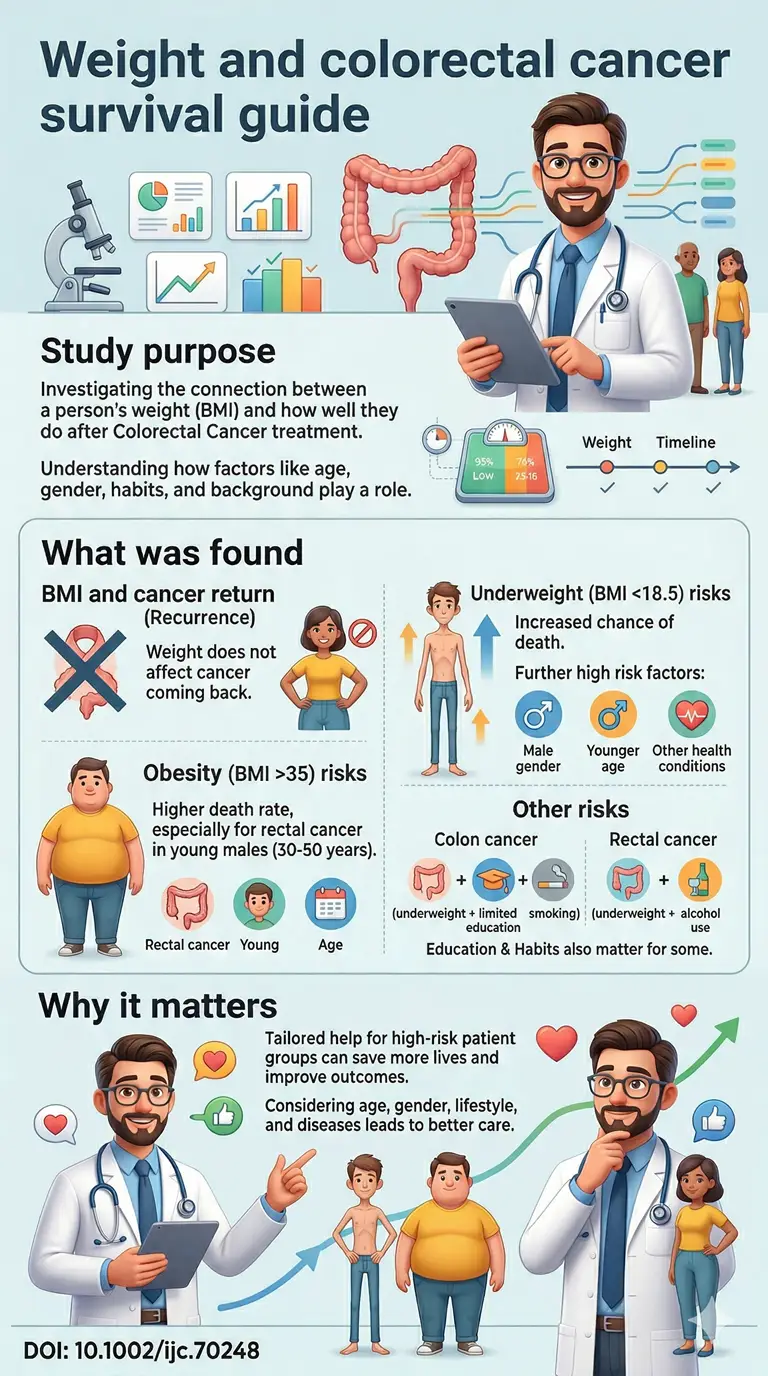
Body Weight and Colon Cancer Survival: What Really Matters.
Body Weight and Colon Cancer Survival: What Really Matters. You are here >> Home >…
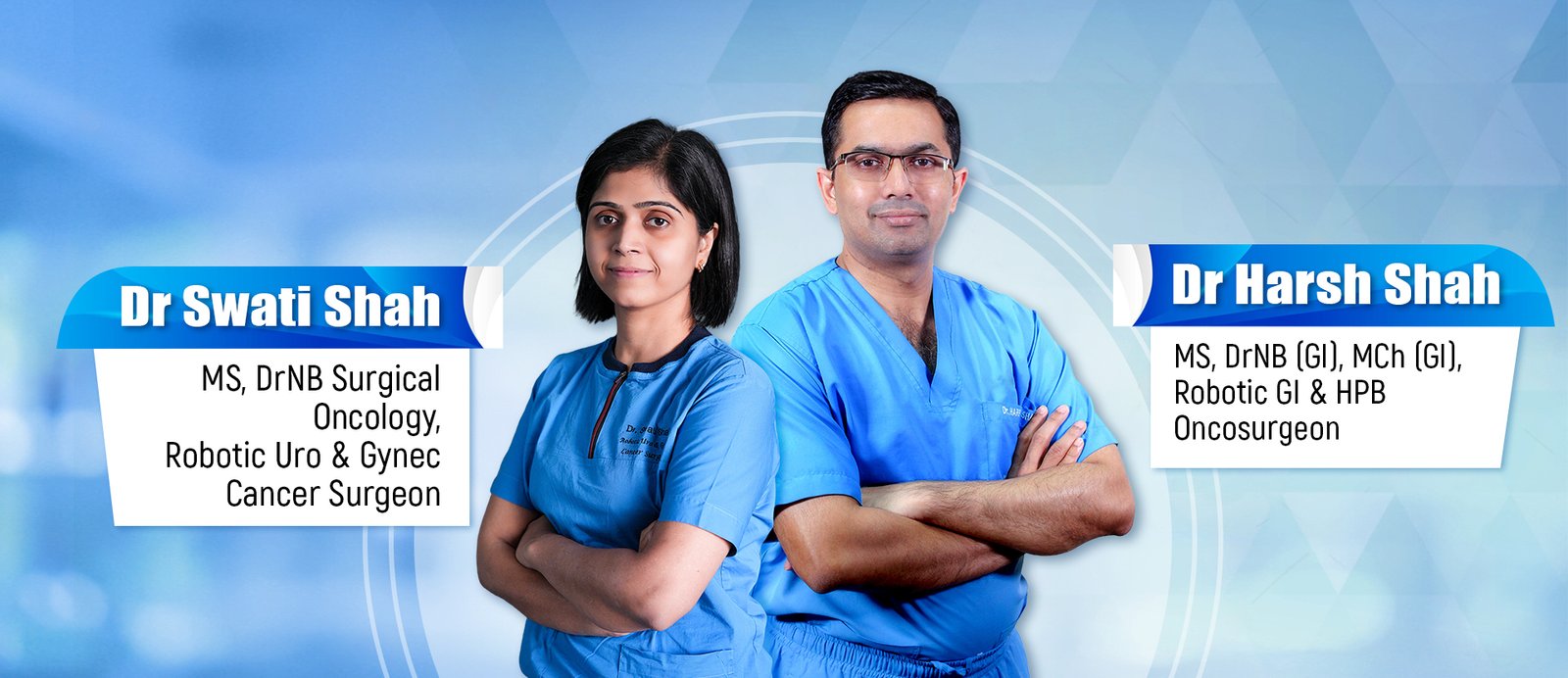
Colon cancer is a significant health issue that needs the attention of an experienced and highly skilled surgeon. Dr. Shah's expertise and numerous success stories have won him high praise from both patients and doctors, positioning him as one of the most preferred specialists and surgeons for colon cancer in India.
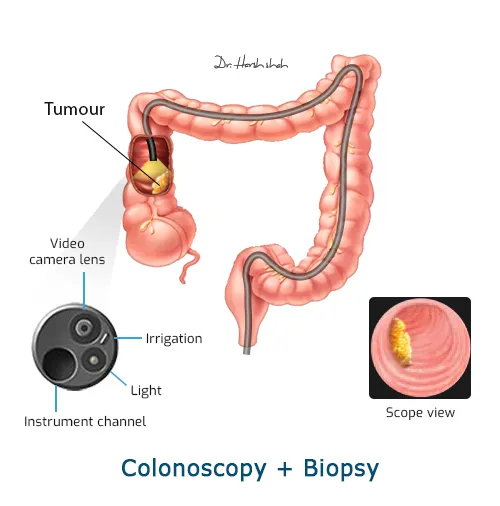
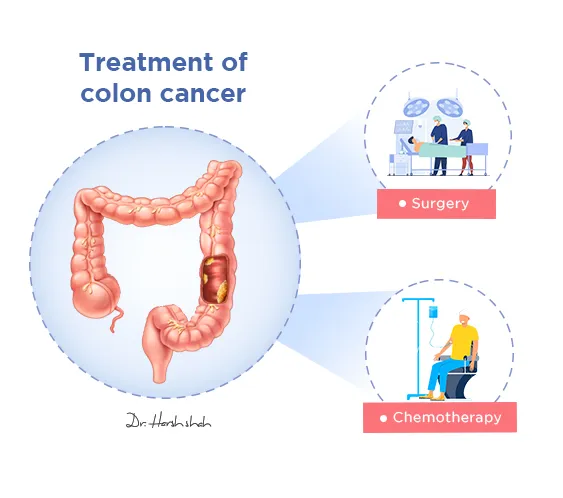
Treatment depends on the stage and the site of the tumour. Most colon cancers that have not spread are treated first with an operation that removes the affected segment of colon along with its blood vessels and lymph nodes. The pathology report then decides whether chemotherapy is advised afterwards. Some stage III and selected stage II cancers need it; many early-stage cancers do not. Stage IV disease is planned with the oncology team, and may combine chemotherapy, targeted drugs and surgery. Dr Harsh Shah, with 18 years of experience, plans this after reviewing the colonoscopy, biopsy and CT reports at Dr. Jivraj Mehta Hospital, Vasna, Ahmedabad.
A colectomy removes the part of the colon that holds the tumour. Complete mesocolic excision is a way of doing it in which the tissue plane around the colon is removed intact, together with the feeding vessels tied at their origin and the lymph nodes along them. The aim is to clear the lymph drainage area properly. It can be done by open, laparoscopic or robotic methods; the robot gives a magnified three-dimensional view and wristed instruments through small incisions. The approach is chosen by tumour site and stage, not by the instrument.
Robotic surgery suits many patients with colon cancer that is confined to the bowel or its nearby nodes. Open surgery may be safer when the tumour is very large or has grown into neighbouring organs, when the bowel is blocked and badly distended, when there has been extensive earlier abdominal surgery, or when a patient cannot tolerate the gas used to inflate the abdomen. A switch to open surgery during the operation is a safety decision, not a failure. The choice is made after examination and scans.
Cashless treatment is available for colon cancer surgery through many insurance and panel schemes. The exact cover depends on your policy or scheme, so please check the Insurance page or call the hospital desk before admission.
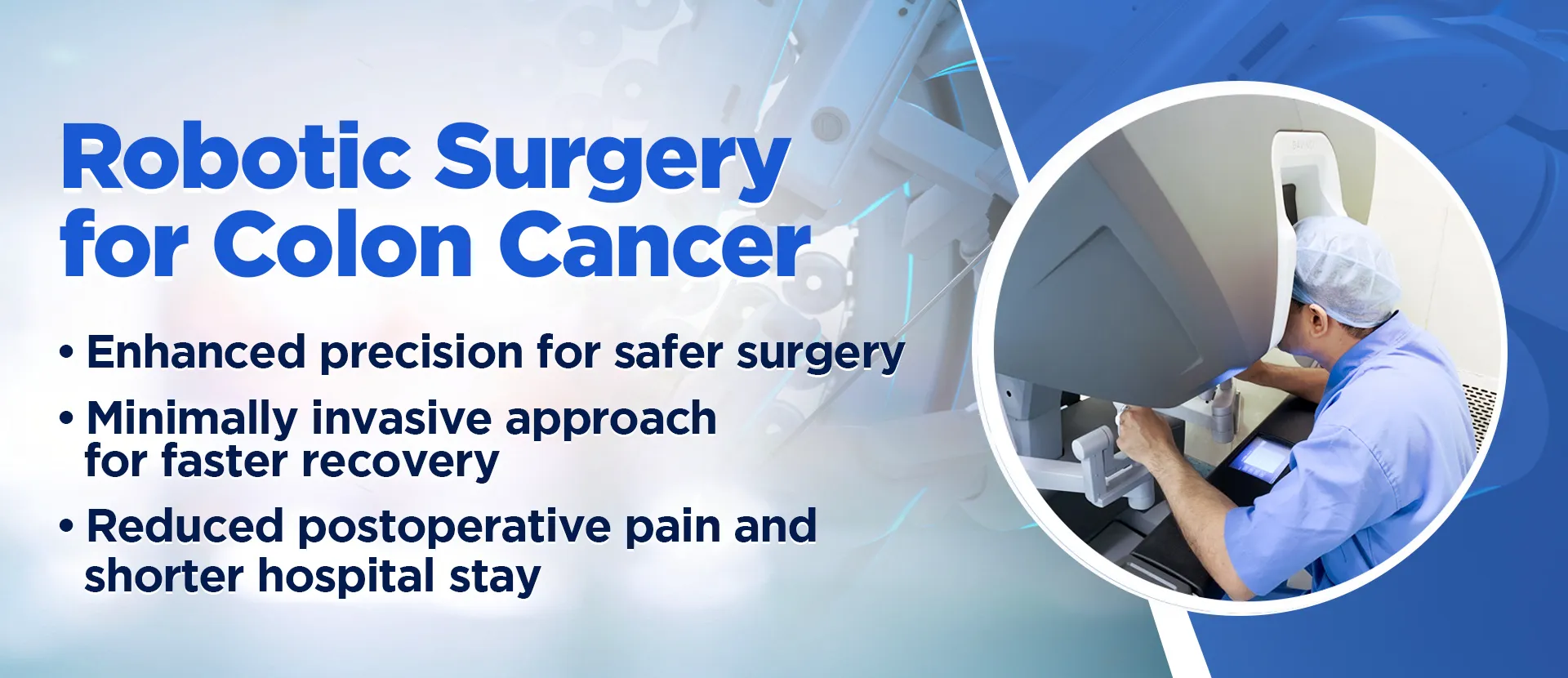
Robotic surgery for colon cancer is a keyhole (minimally invasive) method in which the surgeon controls robotic arms from a console to remove the part of the large intestine that holds the tumour. It is used for selected colon and rectal cancers, and recovery is often quicker than after open surgery.
Compared with open surgery, robotic colectomy uses small incisions, which usually means less wound pain, a smaller scar and an earlier return to eating and walking. Cancer clearance is intended to be the same as with open surgery. Whether it is suitable depends on the tumour and the patient.
For suitable tumours, studies of keyhole colon cancer surgery have found cancer outcomes comparable to open surgery, with less pain and a shorter hospital stay. The robot adds a magnified three-dimensional view and wristed instruments. Open surgery is still the better choice in some situations, which is decided after examination and scans.
The cost depends on the operation needed, the complexity of the tumour, the length of stay and the type of room. A written estimate is given after the reports are reviewed. Cashless treatment is available through many insurers and panels.
Both are keyhole methods used for colon and rectal cancers. Laparoscopic instruments are straight and rigid with a standard view; robotic instruments bend like a wrist and give a magnified three-dimensional view, which can help in deep or narrow spaces. The choice depends on the tumour site and the surgeon's experience.
Recovery after keyhole surgery is usually quicker than after open surgery. Many patients start walking the day after the operation and are discharged within a few days, but the timeline varies with age, general health and the type of resection. Return to normal activity is planned individually at follow-up.
Like any major abdominal operation, it carries risks such as bleeding, wound or internal infection, leakage at the bowel join, blood clots and, sometimes, a change to open surgery during the operation. These are discussed before surgery together with the steps used to lower them.
The surgeon sits at a console and controls the robotic arms, which carry a camera and instruments through small incisions. The system translates the surgeon's hand movements into steady, scaled movements inside the abdomen. The robot does not act on its own.
11750+ Patients have been successfully treated
15+ years of work experience
as a colon cancer specialist
24+ Awards received by Dr. Shah for his achievements
Consultations: Dr. Jivraj Mehta Hospital, Vasna, Ahmedabad.
Robotic colon cancer operations, one by one
Each page explains one operation and when it is used.
Bring your reports. Second opinions are welcome. Ask us anything. Call first if you wish.
Call +91 63590 11009
Ask on WhatsApp
Last updated: 11 October 2026


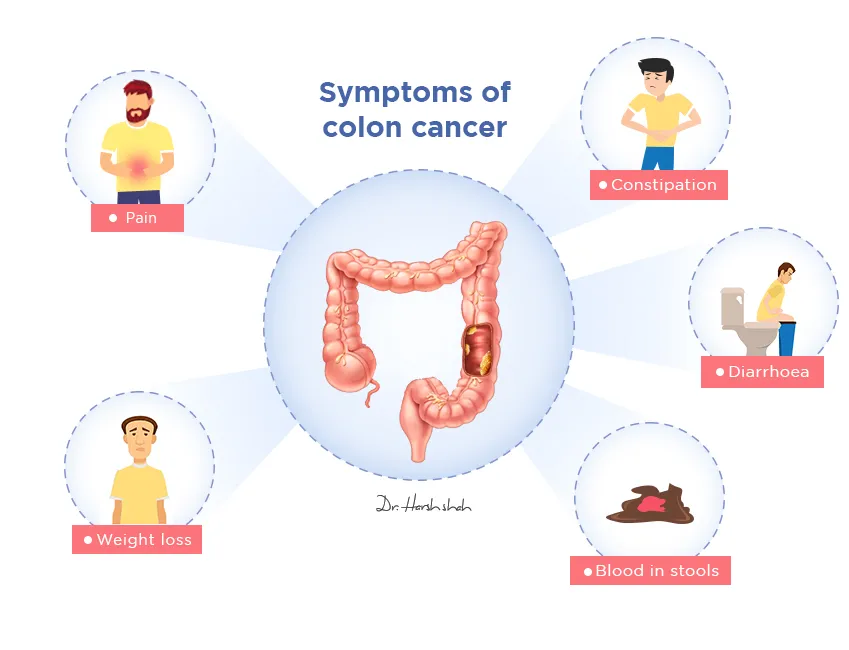
Symptoms of Colon Cancer:

• Continuous changes in bowel movements
• Presence of blood in stool
• Pain or discomfort in the abdomen
• Unexpected loss of weight
• Feeling tired or weak
• Anemia caused by a lack of iron
• Thin stools
• Constipation or diarrhoea that persists for several days
• Sensation of incomplete bowel evacuation
• Bleeding from the rectum or dark stools

Staging for colon cancer are as follows:


Surgery: This is often the primary treatment, aiming to remove the tumor and nearby lymph nodes. The scope of surgery varies with the cancer’s stage and location.
Chemotherapy: This involves using drugs to kill or halt the growth of cancer cells. It can be administered before or after surgery to get rid of any leftover cancer cells or to lower the chance of the cancer returning.
Radiation Therapy: This method uses intense radiation to kill cancer cells. It might be used before or after surgery, or as an alternative when surgery isn’t an option. Modern techniques help reduce side effects. It is used for rectal cancer.
Targeted Therapy: These treatments target specific aspects of cancer cells that help them grow. Drugs such as cetuximab and bevacizumab, often used with chemotherapy, offer benefits, particularly in more advanced colon cancer stages.
Immunotherapy: This treatment enhances the immune system’s ability to combat cancer. Drugs like pembrolizumab and nivolumab are effective for advanced colon cancers that have certain genetic markers.
Robotic surgery is one way to do the operation. Whether you need an operation at all, and what a colorectal surgeon treats, is explained on colorectal surgeon in Ahmedabad: what is treated and when to see one (gastroclinix.com).
Explore surgical videos & photographs with caution. Please be advised that viewer discretion is recommended.
Tap Below to Listen
Tap Below to Listen
| Types of Surgery | Description | Benefits |
|---|---|---|
| Open Surgery | Involves a large incision to remove the tumor | Allows for direct access and removal of large tumors |
| Laparoscopic Surgery | Uses small incisions and a camera to guide the surgery | Less invasive, with smaller incisions and shorter recovery times |
| Robotic Surgery | Keyhole surgery | Less Pain, Less hospital stay, Early recovery |
| Better View (3D, 10x, HD) | Less blood loss, Better nerve preservation | |
| Flexible Instruments | Enhances Precision, Enhances Accuracy, Early functional recovery |
He operates at Dr. Jivraj Mehta Hospital, Vasna, Ahmedabad.


Body Weight and Colon Cancer Survival: What Really Matters. You are here >> Home >…
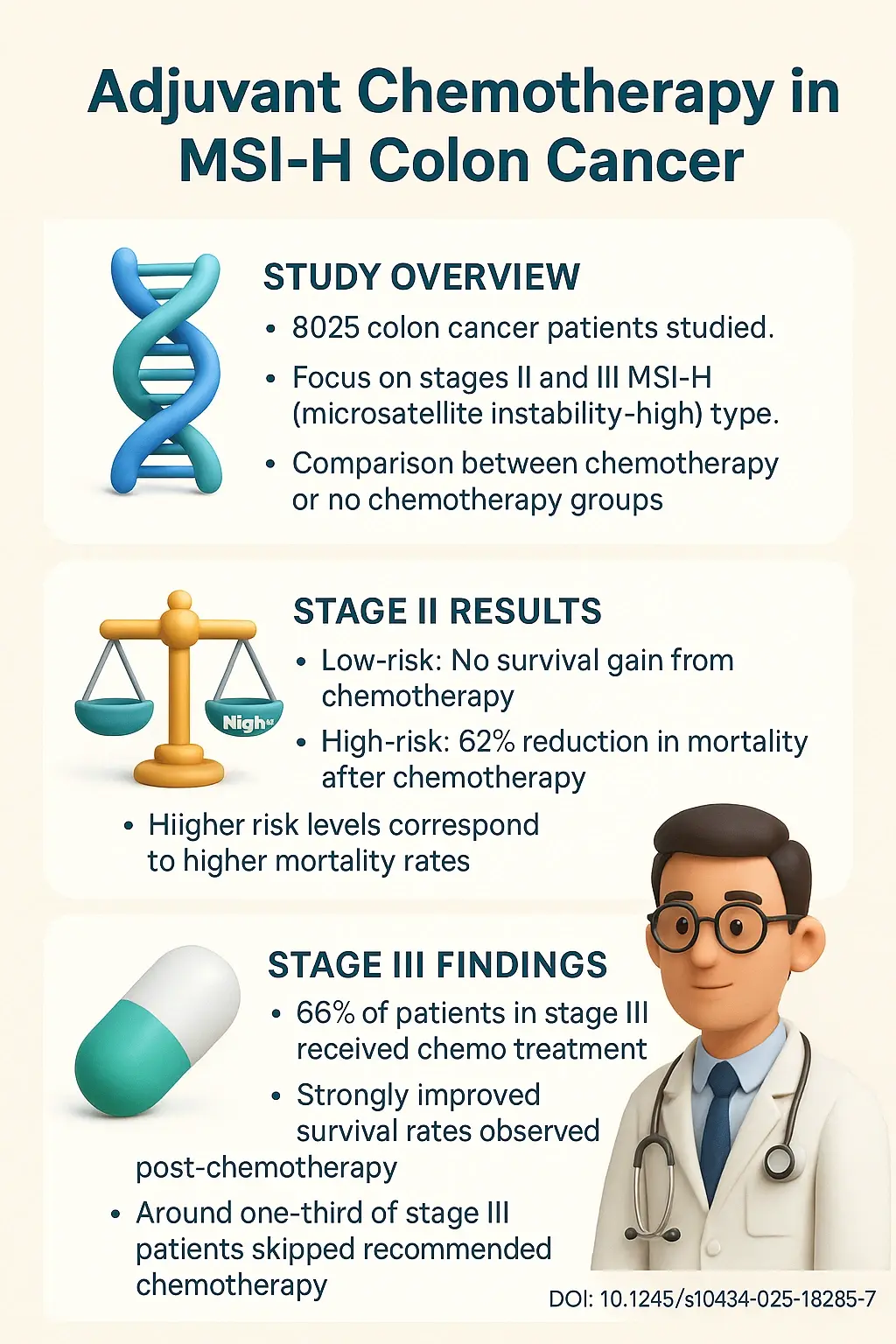
Does Chemotherapy Help Patients With MSI-High Colon Cancer Live Longer? You are here >> Home…
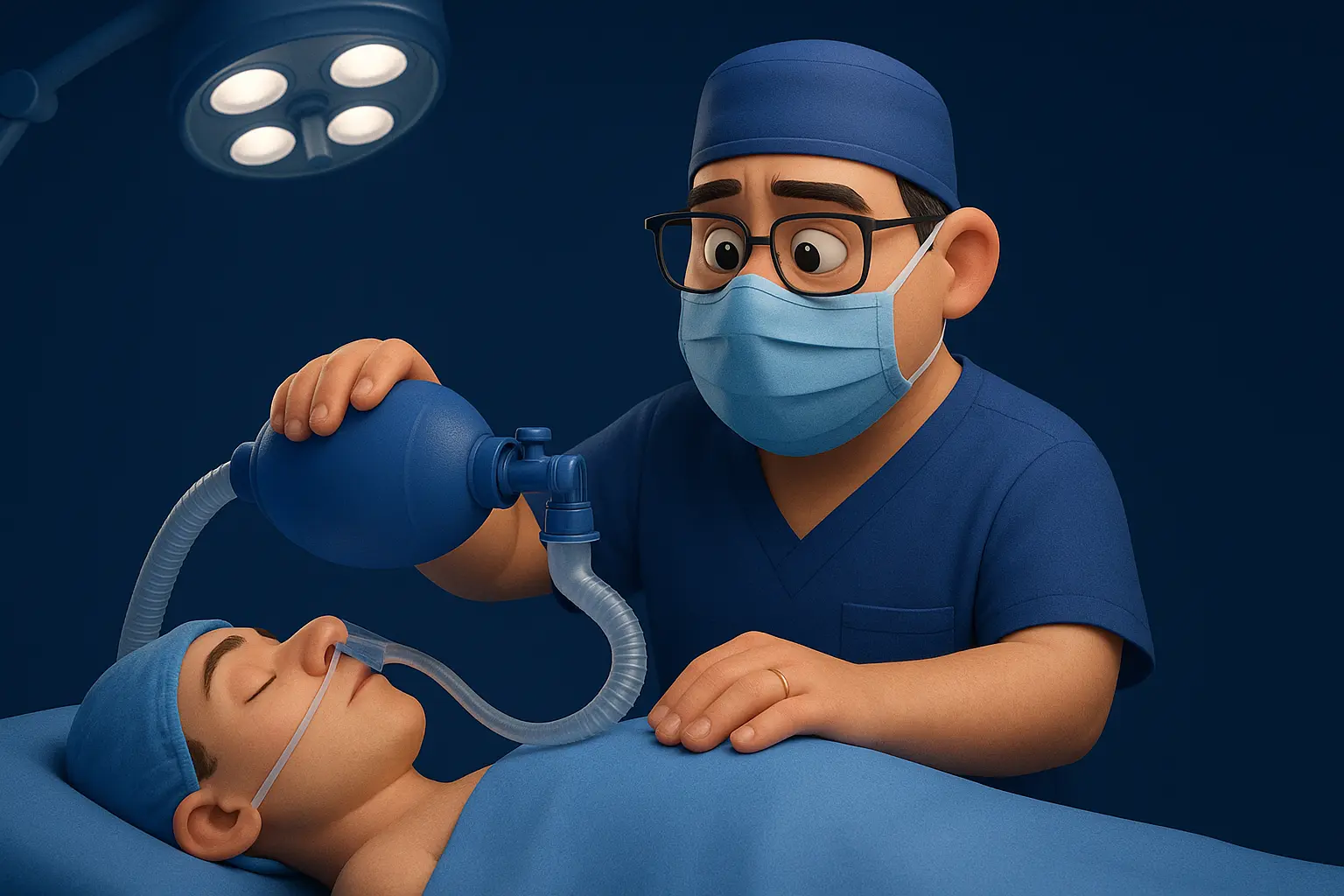
New Breathing Strategy During Surgery May Reduce Lung Problems After Colon Surgery You are here…
If you have any kind of Uro, Gynec, GI & HPB Cancers related medical emergency, visit Apollo Hospital. An expert doctors is always available & treatment will be provided at once.
Swasth Parivar: every week, practical advice on recovery, diet and warning signs. No advertising. Stop any time.
Your number is used for these updates and for the clinic to reach you. It is never sold or passed on. To stop, reply STOP on WhatsApp.