Breast Cancer Diagnosis: Mammogram, Ultrasound and Core Needle Biopsy
Get health updates from our surgeons on WhatsAppSwasth Parivar: twice a month, practical advice on…
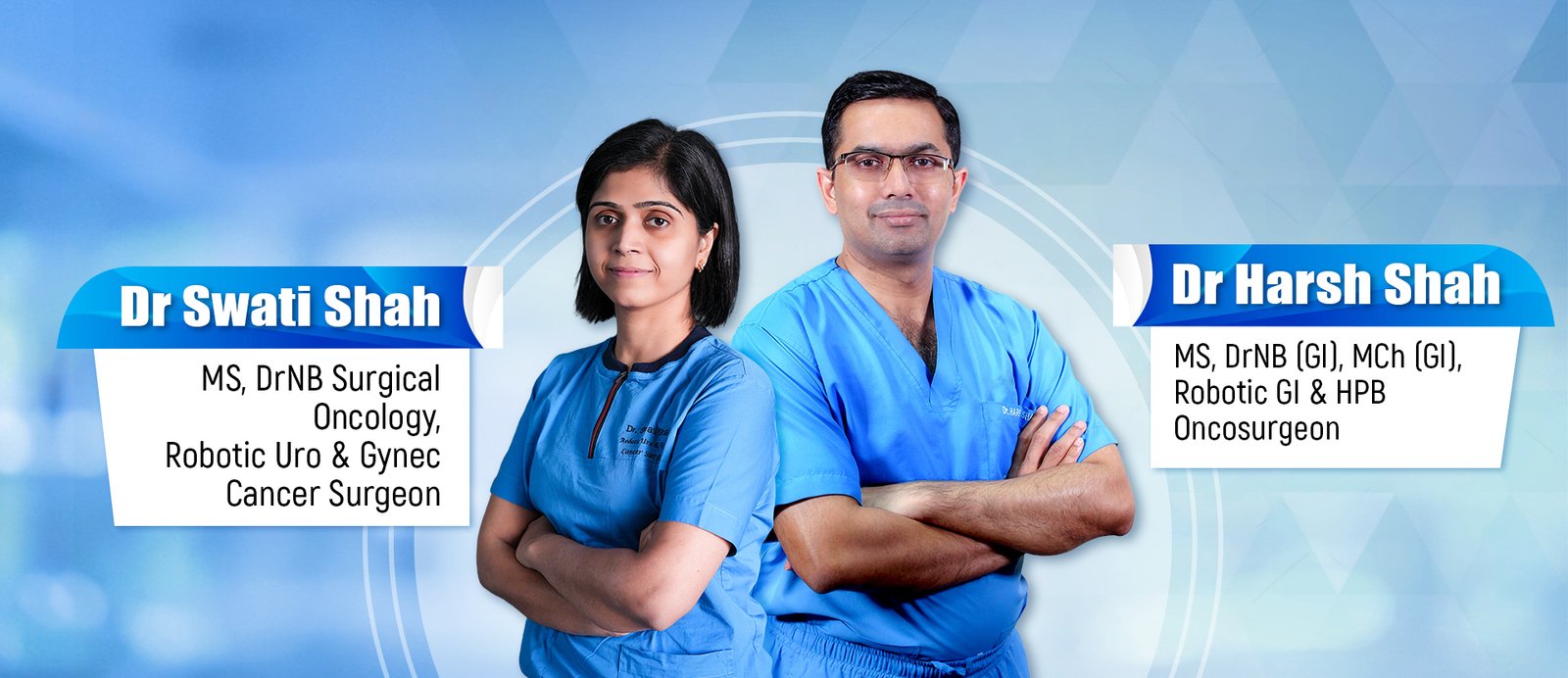
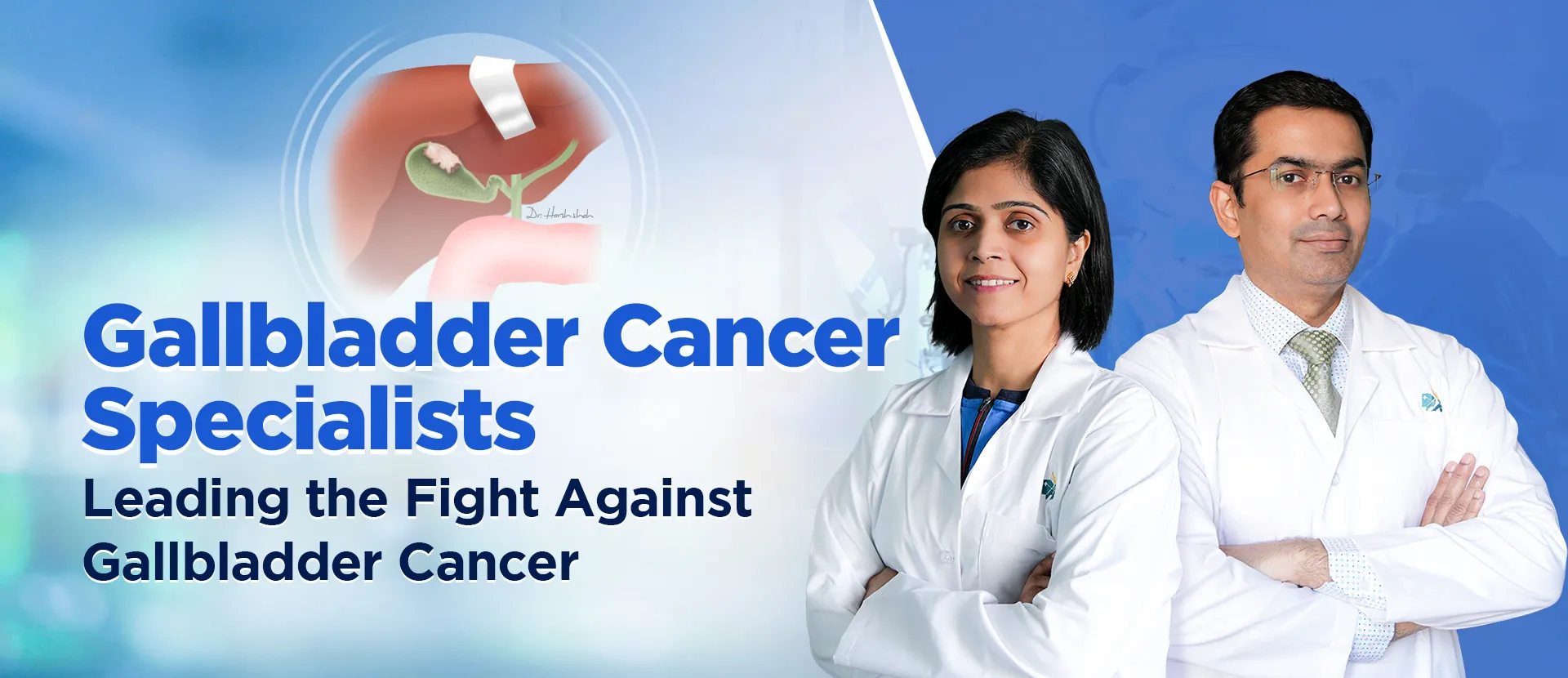
Gallbladder cancer is a rare yet serious illness needing specialized care. For gallbladder cancer surgery in Ahmedabad, consider Dr. Harsh Shah. He has 18 years of experience in GI and cancer surgery. He combines surgical skill with compassionate care.
Surgery at Apollo Hospital, Bhat, Gandhinagar. Consultations at the Gota OPD, Ahmedabad.
18 years of experience as a
gallbladder cancer specialist
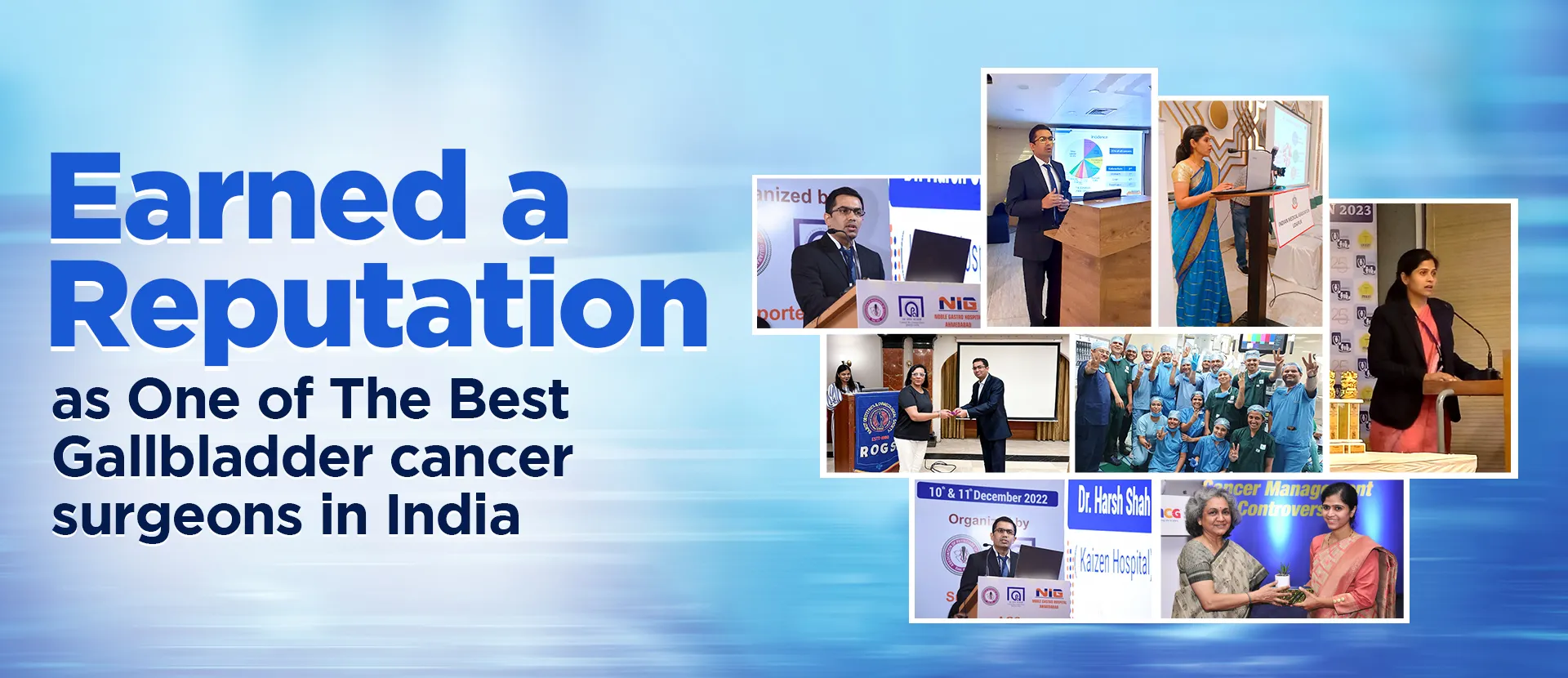
24+ Awards received by Dr. Shah for his achievements
MS, MCh (GI), DrNB (GI)
Management of Gallbladder cancer involves proper diagnosis & early treatment.
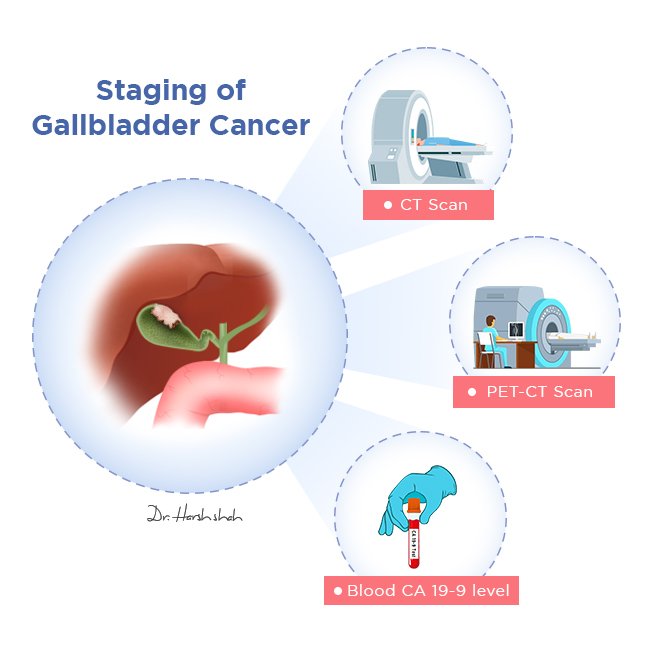
Diagnosis is performed with a CT Scan & staged with a PET-CT Scan.
The treatment involves an operation to remove part of the Gallbladder along with part of the liver
Dr Harsh Shah, MS, MCh (Surgical Gastroenterology), DrNB (Surgical Gastroenterology) performs robotic gallbladder cancer surgery, including radical (extended) cholecystectomy at Apollo Hospital, Bhat, Gandhinagar. Consultations at Shah’s Gastro, Cancer & Robotic Surgery Centre, Gota, Ahmedabad.
More on gallbladder cancer
These pages explain the causes, the signs and the treatment.
Dr Harsh Shah, MS, MCh (Surgical Gastroenterology), DrNB (Surgical Gastroenterology), performs surgery for gallbladder cancer at Apollo Hospital, Bhat, Gandhinagar.
Bring your reports. Second opinions are welcome. Ask us anything. Call first if you wish. Send scans on WhatsApp.
Call +91 63590 11009
Ask on WhatsApp
Last updated: 1 October 2026
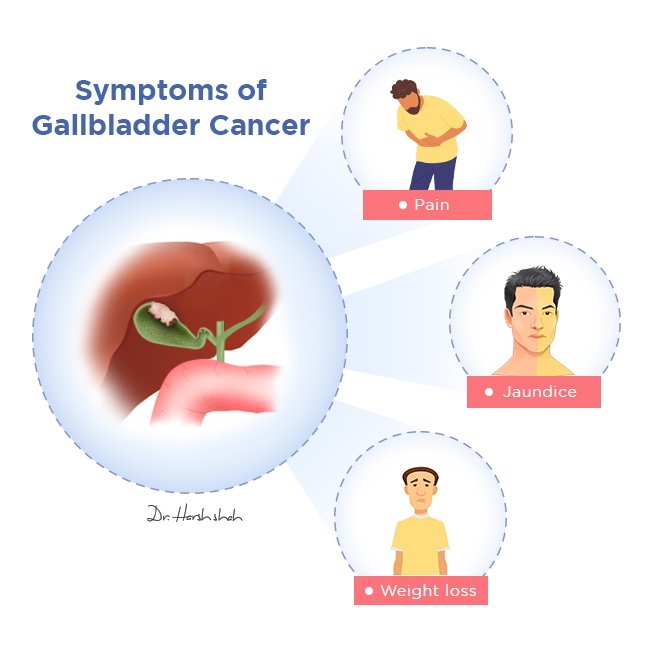
Gallbladder cancer can often be challenging to detect early because it frequently does not cause specific symptoms in its initial stages. However, as the cancer progresses, symptoms might appear, which include:

Abdominal Pain: Particularly in the upper right section of the abdomen, which may be severe and persistent.
Jaundice: Yellowing of the skin and whites of the eyes, which occurs when the cancer blocks the bile ducts.
Nausea and Vomiting: These can be general symptoms but may occur more frequently as the disease progresses.
Bloating: A feeling of fullness or swelling in the abdomen, often due to the accumulation of fluids or a mass.
Fever: Sometimes accompanied by night sweats or chills.
Unexplained Weight Loss: Losing weight without trying, which is common with many types of cancer.
Loss of Appetite: Often associated with weight loss and general illness.
Itchy Skin: As bile salts accumulate in the skin due to blocked bile ducts.

CT Scan (Computed Tomography):
• CT scans are a common imaging method used to check the size, place, and spread of gallbladder tumors.
• They give clear pictures of the abdomen, showing the gallbladder, liver, lymph nodes, and nearby parts.
• CT scans help spot the tumor’s size if it’s spreading to nearby tissues, or reaching lymph nodes or organs nearby.
PET-CT Scan (Positron Emission Tomography – Computed Tomography):
• PET-CT scans blend functional and structural imaging to find spots with high metabolic activity, suggesting the presence of cancer cells.
• They help find distant spread and check how far cancer has spread beyond the gallbladder.
• PET-CT scans are commonly paired with CT scans to give a fuller picture of the disease.
Blood CA 19-9 Level:
• CA 19-9 is a marker for tumors, checked with a blood test.
• High CA 19-9 levels might mean gallbladder cancer or pancreas/stomach-related cancers.
• Though CA 19-9 levels give extra details, they don’t alone show staging and are usually checked with imaging tests.

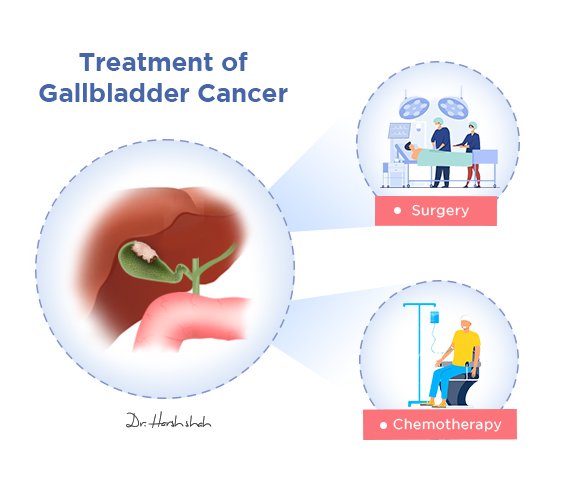
The treatment of gallbladder cancer typically involves a combination of methods depending on the stage of the disease, the overall health of the patient, and other factors. Here are two primary treatments:

• Cholecystectomy: In the early stages, the usual treatment is surgery to remove the gallbladder. This could mean taking out part or all of the liver, nearby lymph nodes, and other affected tissues.
• Extended Resections: If cancer has spread, more complex surgeries may be needed. This could include taking out part of the liver (hepatectomy), removing bile ducts, or even a pancreaticoduodenectomy (Whipple procedure) for advanced cases.
• Adjuvant Chemotherapy: After surgery, patients may get adjuvant chemotherapy to kill any remaining cancer cells and lower the risk of cancer coming back. This treatment uses anti-cancer drugs taken by mouth or through an IV.
• Neoadjuvant Chemotherapy: Sometimes, chemotherapy is given before surgery to shrink tumors and make them easier to remove. This is called neoadjuvant chemotherapy.
• Palliative Chemotherapy: In advanced stages where surgery can’t cure the cancer, chemotherapy may be used to ease symptoms, slow down cancer growth, and improve the patient’s quality of life.
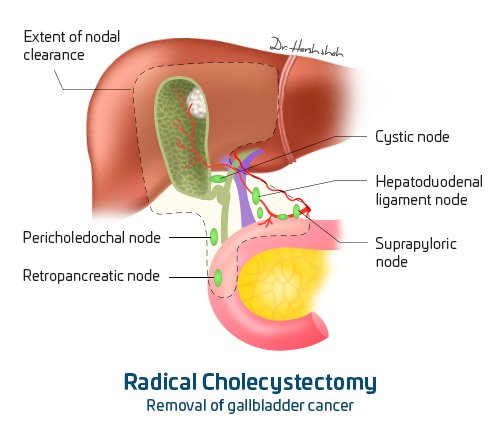
Gallbladder Cancer Removal Operation: Radical Cholecystectomy

A radical cholecystectomy is an extensive surgical procedure aimed at treating gallbladder cancer, particularly when the disease is confined to the gallbladder or has just begun to spread. This operation involves the removal of the gallbladder, a portion of the liver tissue surrounding the gallbladder, and the regional lymph nodes to ensure that all cancerous cells are eradicated.
This procedure is considered when the cancer is detected at a stage where it is likely to be contained and removed completely, offering a chance for cure or significant prolongation of life.
Explore surgical videos & photographs with caution. Please be advised that viewer discretion is recommended.
Dr. Harsh Shah performs robotic cancer surgery on the Da Vinci System, which allows precise surgery and a quicker recovery. His advanced Robotic Surgery Centre is available in Ahmedabad, Gujarat.


The main surgical options include robot-assisted radical removal of the gallbladder and surrounding affected tissues. These minimally invasive techniques offer high precision for clearing cancer cells while ensuring a fast recovery for the patient.
Robotic procedures provide exceptional precision for treating complex digestive system cancers. Patients experience a minimally invasive process that significantly reduces pain and bodily trauma.
| Benefit Area | What It Is | Patient Advantage |
|---|---|---|
| Incision | Tiny keyhole cuts | Less pain & scarring |
| Vision | 3D magnified view | Safer tumor removal |
| Recovery | Faster healing | Shorter hospital stay |
While our centers fully support cashless treatment through insurance, exact pricing varies based on the cancer stage and required hospital stay. Please clarify the specific lump sum cost estimates you would like included on the landing page.
Robotic techniques offer major advantages over traditional open surgeries for treating gallbladder tumors. This advanced technology translates directly to a minimally invasive, fast recovery and less post-operative pain.
| Feature | Robotic Surgery | Traditional Surgery |
|---|---|---|
| Incisions | Tiny, precise cuts | Large belly opening |
| Recovery Time | Fast recovery | Slower, longer healing |
| Precision | High robotic accuracy | Standard manual control |
Results depend closely on the cancer stage and on whether the tumour can be removed completely. Dr. Harsh Shah has 18 years of experience in GI and cancer surgery.
Advanced robotic surgical platforms are highly preferred to provide precise, minimally invasive care for digestive tract cancers. These sophisticated systems allow surgeons to perform complex cancer operations safely while minimizing trauma to the patient’s body.
Surgeons rely on state-of-the-art robotic platforms that offer 3D magnified vision and incredibly flexible instrument control. These high-tech systems are essential for safely performing intricate procedures like a robot-assisted radical gallbladder removal.
A qualified specialist should hold advanced medical degrees such as an MS in General Surgery, an MCh, and a DrNB in Surgical Gastroenterology. It is crucial to choose a surgeon with specialized, long-term experience in complex liver and gallbladder operations.
Robotic gallbladder removal is specifically designed to provide a minimally invasive, fast recovery. Because the surgical cuts are tiny, patients heal much quicker, experience less pain, and return to normal daily life sooner than with traditional open surgery.
Dr. Harsh Shah provides expert robotic gallbladder cancer care at Apollo Hospital International Limited in Gandhinagar and at Shah’s Gastro, Cancer & Robotic Surgery Centre in Ahmedabad. Both state-of-the-art facilities offer a multidisciplinary treatment approach and fully support cashless insurance.
Dr. Harsh Shah performs robotic surgery for gallbladder cancer. He brings advanced surgical treatments to Shah’s Gastro, Cancer & Robotic Surgery Centre in Ahmedabad, prioritizing quick recovery and patient safety.
| Surgeon Expertise | Professional Record | Primary Advantage |
|---|---|---|
| Experience Level | 18 Years Practice | Trusted medical guidance |
| Where | Apollo Hospital, Bhat | OPD at Gota, Ahmedabad |
| Robotic Skills | Minimally Invasive | Less pain, fast recovery |
Get health updates from our surgeons on WhatsAppSwasth Parivar: twice a month, practical advice on…

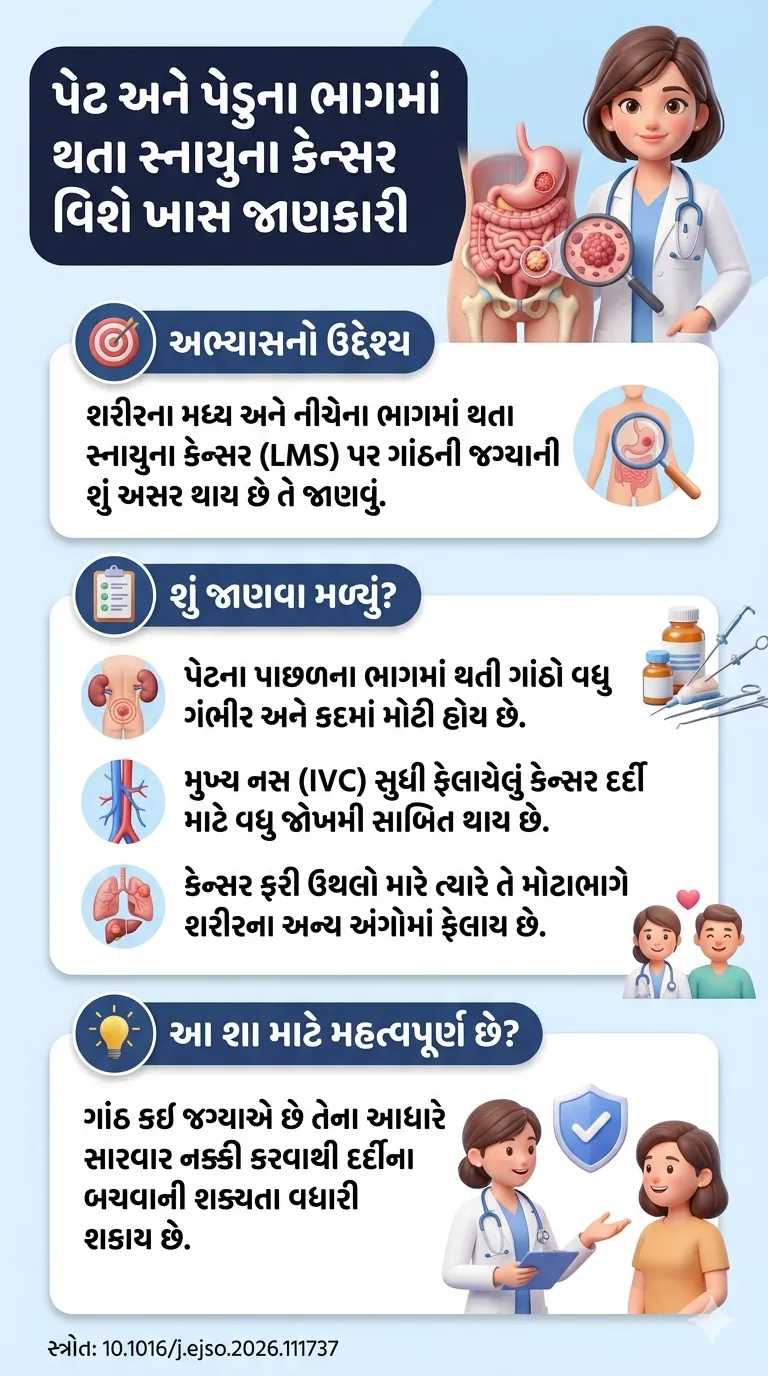
પેટ અને પેડુના ભાગમાં થતા સ્નાયુના કેન્સર વિશે ખાસ જાણકારી You are here >> Home…
If you have any kind of Uro, Gynec, GI & HPB Cancers related medical emergency, visit Apollo Hospital. An expert doctors is always available & treatment will be provided at once.
Swasth Parivar: twice a month, practical advice on recovery, diet and warning signs. No advertising. Stop any time.
Your number is used for these updates and for the clinic to reach you. It is never sold or passed on. To stop, reply STOP on WhatsApp.