- For Appointment:
- +91 63590 11009
- Chat on Whatsapp

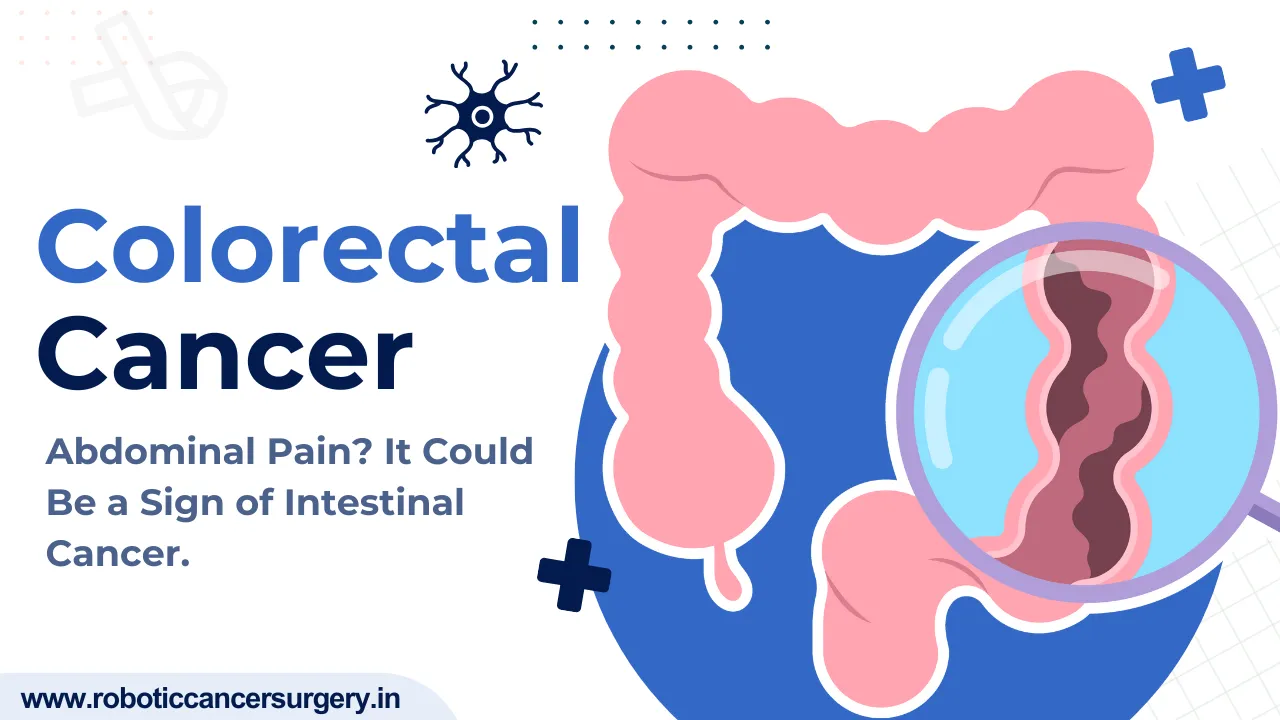
⦿ Changes in Bowel Habits – You may have frequent diarrhea, constipation, or feel like your bowel isn’t fully empty after using the bathroom.
⦿ Blood in the Stool – Blood may be seen in the stool, either bright red or very dark, which could mean bleeding inside the colon.
⦿ Unexplained Weight Loss – Losing weight suddenly without any change in diet or exercise can be a warning sign.
⦿ Abdominal Pain – Pain or cramping in the stomach or lower abdomen that doesn’t go away.
⦿ Weakness or Fatigue – Feeling weak or tired, often caused by blood loss or the body fighting the disease.
⦿ Persistent Diarrhea or Constipation – Long-term problems with bowel movements, either loose stools or difficulty passing them.
⦿ Feeling of Incomplete Bowel Emptying – Constant urge to use the bathroom, even after finishing.
⦿ Cramping or Bloating – Ongoing discomfort or bloating in the stomach, which may get worse over time.
⦿ Narrow Stools – Stools that look thinner than usual, which might mean there’s a blockage in the colon.
⦿ Rectal Bleeding – Seeing blood in the toilet or on toilet paper after a bowel movement.
⦿ Age (Above 50) – Most cases happen in people older than 50, but it can occur at any age.
⦿ Family History – If close family members have had colorectal cancer, your risk increases.
⦿ Diet with Lots of Red or Processed Meat – Eating too much processed food or red meat can raise the risk.
⦿ Low Fiber Diet – Not eating enough fiber can cause digestive issues, which may increase cancer risk.
⦿ Lack of Exercise – A sedentary lifestyle without regular physical activity increases the chance of developing cancer.
⦿ Inflammatory Bowel Diseases (IBD) – Conditions like Crohn’s disease or ulcerative colitis increase long-term inflammation, raising cancer risk.
⦿ Obesity – Being overweight is linked to a higher chance of getting colorectal and other cancers.
⦿ Smoking – Long-term smoking increases the risk of many cancers, including colorectal cancer.
⦿ Heavy Alcohol Use – Drinking too much alcohol raises the risk of colorectal cancer.
⦿ Type 2 Diabetes – People with diabetes often have a higher risk of getting colorectal cancer.
⦿ Colonoscopy – A procedure using a small camera to check the colon and rectum for any unusual growths or polyps.
⦿ Biopsy – Tissue taken during a colonoscopy is tested to check for cancer cells.
⦿ Fecal Occult Blood Test (FOBT) – A lab test to find hidden blood in stool, which can signal cancer.
⦿ CT Colonography – A special X-ray scan that shows detailed images of the colon.
⦿ Flexible Sigmoidoscopy – Similar to a colonoscopy but checks only the rectum and lower colon.
⦿ Blood Tests – Done to find cancer-related markers in the blood.
⦿ Stool DNA Test – Detects abnormal DNA in the stool, which can indicate cancer.
⦿ Imaging Tests (CT, MRI) – Used to see if cancer has spread to other parts of the body.
⦿ CEA Test – A blood test to find proteins linked with cancer.
⦿ Digital Rectal Exam – A physical check by a doctor to feel for abnormalities in the rectum.
⦿ Surgery – The main treatment, especially in early stages, involves removing the cancerous part.
⦿ Chemotherapy – Medicines are given to destroy cancer cells, often after surgery.
⦿ Radiation Therapy – High-energy rays are used to kill cancer cells, mostly for rectal cancer.
⦿ Targeted Therapy – Special medicines attack cancer cells while causing less harm to normal cells.
⦿ Immunotherapy – Boosts the immune system to better recognize and fight cancer.
⦿ Ablation or Embolization – Used to treat small tumors when cancer has spread to other organs.
⦿ Robotic Surgery – Minimally invasive surgery with faster recovery and less pain.
⦿ Palliative Care – Aims to relieve symptoms and improve quality of life in advanced cases.
⦿ Clinical Trials – Offer access to new treatments that are being researched.
⦿ Lifestyle Changes – Healthy eating and regular exercise can aid recovery and reduce recurrence risk.
| Treatment | Indications | Common Side Effects | Expected Outcomes |
|---|---|---|---|
| Surgery | Early-stage cancer, localized tumors | Pain, infection, bowel changes | Potentially curative if localized |
| Chemotherapy | Advanced or metastatic cancer | Nausea, fatigue, hair loss | Can shrink tumors, prolong survival |
| Radiation Therapy | Rectal cancer or inoperable tumors | Skin irritation, fatigue, bowel issues | Tumor shrinkage, symptom control |
| Targeted Therapy | Advanced cancer with specific mutations | Diarrhea, high blood pressure, fatigue | Tumor control, slow progression |
| Immunotherapy | Advanced cancer with immune markers | Immune-related side effects (inflammation) | Long-term tumor control in some patients |

MS, MCh (G I cancer Surgeon)
Dr. Harsh Shah is a renowned GI and HPB Robotic Cancer Surgeon in Ahmedabad.
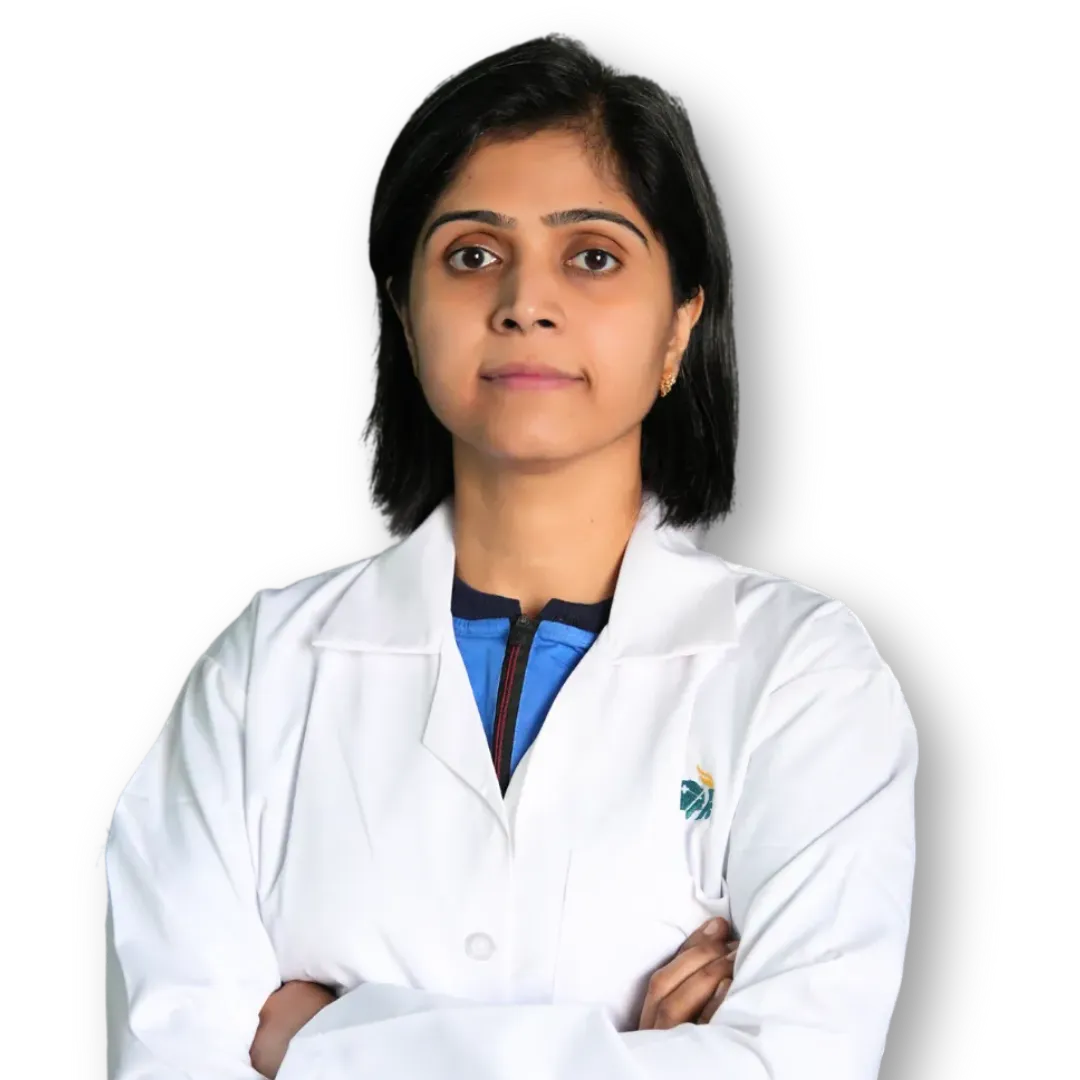
MS, DrNB (Surgical Oncology)
Dr. Swati Shah is a Robotic Uro and Gynecological Cancer Surgeon in Ahmedabad.
Swasth Parivar: twice a month, practical advice on recovery, diet and warning signs. No advertising. Stop any time.
Your number is used for these updates and for the clinic to reach you. It is never sold or passed on. To stop, reply STOP on WhatsApp.
