WhatsApp

Robotic Bladder Removal or Open? What Really Differs

Shah’s Gastro, Cancer & Robotic Surgery Centre

Tapping Book on WhatsApp will likely open the WhatsApp app on your phone.

Last updated: 03-Nov-2026

Robotic cystectomy for muscle-invasive bladder cancer · Gota OPD, Gota, Ahmedabad · Apollo Hospital, Bhat, Gandhinagar

IN SHORT

Taking out the bladder for cancer is done by the robot or by open surgery. In trials the cancer results were the same. The robot mainly changes blood loss and the days in hospital.

The robot is not for every bladder cancer. Early tumours on the lining are treated through the urine passage, with no cut on the belly at all.

Taking the bladder out is only half of the operation. The second half is a new way for urine to leave the body, and it is chosen with you before the date is fixed.

The surgeon’s own experience counts for more than the machine. Ask who will operate, and how often that person does this operation.
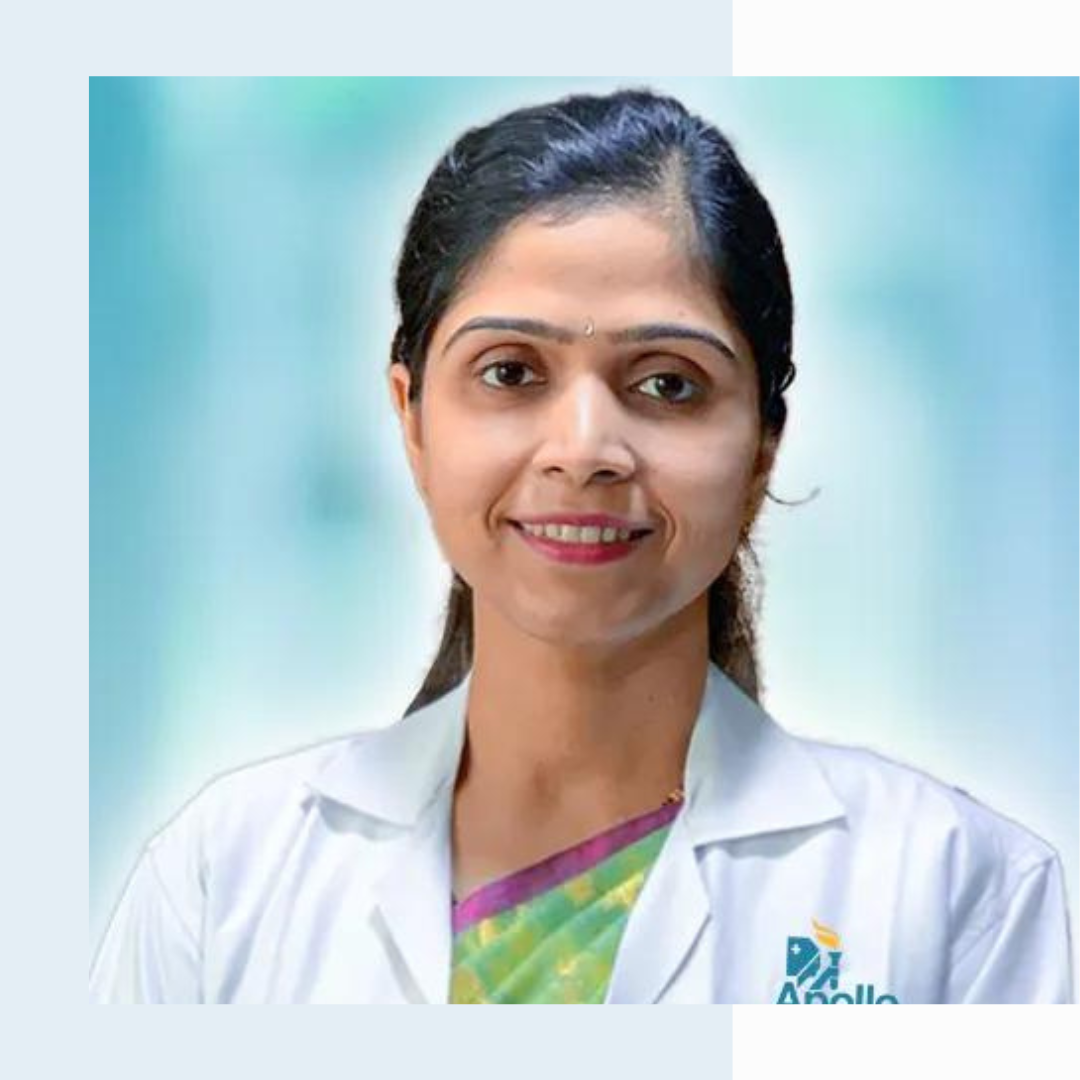
Dr Swati Shah, robotic bladder cancer surgeon, Ahmedabad

Dr Swati Shah
MS, DrNB (Surgical Oncology)
Robotic Cancer Surgeon
Apollo Hospital, Bhat, Gandhinagar · Gota OPD, Gota, Ahmedabad · 18 years of experience
★★★★★ 4.99 from 84 Google reviews (Gota clinic) · 5.0 from 37 (Apollo, Bhat)

Who writes this page. Dr Swati Shah holds MS, DrNB (Surgical Oncology). She studied medicine and trained in general surgery at Maulana Azad Medical College, Delhi, and trained in surgical oncology at Rajiv Gandhi Cancer Institute and Research Centre, Delhi. She has 18 years of experience in cancer surgery and has worked on the robotic console since 2013. Consultation, surgery and follow-up run as one pathway.

Every case in which the bladder may have to be removed is discussed at a tumour board first. The board has a cancer surgeon, a medical oncologist, a radiation oncologist, a radiologist and a pathologist. Medicine before surgery, and whether surgery is needed at all, are settled there.

This page is about the robot and the operation. The full picture of bladder cancer, its stages and every treatment, is on urinary bladder cancer surgery in Ahmedabad.

Which bladder cancers need the bladder removed

Removal is advised when the cancer has grown into the muscle wall of the bladder, and in a few high-risk tumours that stay on the lining.

Most bladder cancers start on the inner lining and are first removed through the urine passage with a telescope. Many of these are followed by medicine placed in the bladder and regular checks. The bladder stays.

  • Cancer in the muscle wall. This is the usual reason. Removing the bladder, with the lymph glands beside it, is the standard operation, often after medicine given first.
  • High-risk lining cancer that keeps returning. If it comes back after bladder medicine, or looks aggressive, removal is discussed before it reaches the muscle.
  • Radiation as another route. Some people choose radiation with medicine and keep the bladder. This is explained fairly, with its own risks.

What the robot changes, and what it does not

The cancer part of the operation is the same by robot or by open cut. What differs is the size of the wounds, the blood lost and the first week.

Robotic and open removal of the bladder compared
MatterRobotic routeOpen route
Cancer outcome in trials.Matched open surgery.The long-standing standard.
Wounds.Small cuts, and one slightly larger cut to bring out the bladder.One long cut from the navel down.
Blood loss.Usually less.Usually more, and a blood transfusion is more often needed.
Stay in hospital.Often a little shorter.Often a little longer.
Time on the table.Often longer.Often shorter.
Suits.Tumours that can be removed whole and are not stuck to other organs.Large tumours, tumours stuck to the pelvis, and some who have had major past surgery.

No route is better for every person. If the surgeon finds during the operation that it cannot be done safely by keyhole, the operation is completed open. This is explained to you in advance and written on the consent.

How the robotic operation is done

Several small ports are placed in the belly. The surgeon sits at a console and works with magnified three-dimensional vision.

  1. Lymph glands first. The glands in the pelvis are removed in a mapped area. This is part of the cancer treatment and is sent for the microscope.
  2. The bladder is freed. It is separated from the rectum behind and the pubic bone in front. In men the prostate and seminal vesicles come with it. In women the uterus and part of the vagina come with it, unless a careful plan allows them to be kept.
  3. Nerves are spared where the cancer allows. This helps later urine control and sexual function. It is never done if it would leave cancer behind.
  4. The bladder is taken out in a bag. The bag is lifted through a small cut, so that no cancer cells touch the wound.
  5. The new route for urine is made. See the next section.

The new route for urine

Two main choices exist: a urine pouch on the belly, or a new bladder made from bowel. Either can be made after robotic removal.

Choices after the bladder is removed
ChoiceWhat it isWhat to know
Ileal conduit.A short length of bowel carries urine to a small opening on the belly. A bag is worn over it.The simpler, quicker operation. Suits those who are older, frail, or have weak kidneys.
New bladder, called a neobladder.A bladder is made from bowel and joined to the urine passage. You pass urine from the passage.A bigger operation with a longer learning period. Night-time leaking is common at first. A few need a tube for emptying.

The choice depends on kidney strength, the position of the cancer, your age, your hands and your daily life. It is made with you and your family, with the nurse who teaches pouch care present.

Medicine before or after surgery

For cancer in the muscle wall, chemotherapy before the operation is the standard where the kidneys allow it. It is planned before any date is fixed.

Chemotherapy first treats cancer cells that may have travelled, and it is given for a fixed number of cycles. Immunotherapy after surgery is discussed in some, based on what the microscope shows and on cost. Where the kidneys are weak, another path is chosen by the board.

Preparation and recovery after the operation

Recovery follows a day-by-day plan. Early walking and early eating are part of treatment, not an extra.

  • Before. Your fitness, nutrition, blood count and kidney strength are checked. Protein drinks are started early if you are thin. Bowel cleaning by strong laxatives is not used before this operation.
  • The first day. Walking with help, chewing gum and sips of fluid to wake the bowel.
  • Days two to five. Normal food in steps, pain tablets in place of injections, and teaching for the new urine route.
  • Going home. A day is fixed once you eat, walk and manage your pouch or tube with confidence. Stitches or stents are removed at set visits.

Risks, said plainly

This is a major operation. Risks are named here in words. Your own figures are given in person before consent, for your disease and your fitness.

Risks and what is done about each
RiskWhat it means
Bleeding.Watched in the first days. Some need blood, and a few need a second procedure.
Bowel slow to start, or a leak at the bowel join.Feeding is held back or paused. A leak may need a drain or another operation.
A leak of urine, or a narrowing where the ureter joins.Found on scan or from drain fluid. Often settles with a tube. A narrowing may need a procedure later.
Infection of the urine or the wound.Common in the first weeks. Treated with antibiotics, and the pouch is taught to be kept clean.
A clot in the leg vein or the lung.Prevented with blood thinners, walking and stockings, and continued after discharge for some weeks.
Change in sexual function.Expected in many. Sparing nerves helps when the cancer allows. Help is available and discussed openly.
Risk to life.Real in a major operation, higher with weak kidneys, poor nutrition or heart disease. Your own figure is given in person.
  1. Fever, or a wound that leaks. Call the same day, not at the next visit.
  2. Pain in the side with fever. This may be a blocked kidney. It is checked at once.
  3. One leg swollen and painful, or sudden breathlessness. Treated as a clot until a scan says otherwise.
  4. Less urine than usual, or no urine from the pouch. Come in the same day.

Follow-up for the years after

Bladder cancer can return, and the new urine route needs its own care. Follow-up is part of the treatment.

What follow-up looks like
WhatHow often
Visit with blood tests for kidney function and salts.At set intervals in the first years, spaced out later.
Scan of the chest and belly.More often in the first two to three years, when most returns occur.
Vitamin B12 and acid levels, if bowel was used.Checked at intervals, for life.
Review of the pouch or the new bladder.At each visit. Leaking, infection and emptying problems are dealt with early.

The reviews below are Google reviews of this surgeon from families treated for bladder cancer. No two people have the same disease or the same plan.

What patients and families have said

★★★★★

“My relative underwent robotic surgery for bladder cancer with new bladder (neobladder) reconstruction by Dr. Swati. The surgery and recovery were smooth, and the results have been excellent. She is highly skilled and very supportive.”

— Lalitaben Patel, Google review

★★★★★

“We are very thankful to Dr. Swati Shah for her excellent treatment and care for urinary bladder cancer. She explained the condition and treatment options clearly and made us feel confident throughout the treatment journey. Her expertise, dedication, and compassionate approach are truly appreciated. We are very happy with the care and support received. Highly recommended for anyone looking for an experienced cancer surgeon.”

— A K, Google review

★★★★★

“We came from Jodhpur for my wife bladder cancer treatment under Dr. Swati Shah. We are grateful for her guidance, support, and professional approach throughout the treatment journey. She explained everything clearly and made us feel comfortable and confident. We truly appreciate her care and dedication. Thank you, Dr. Swati Shah, for your support and treatment.”

— mahendra Joshi, Google review

These are shown exactly as Google holds them. They describe one family’s experience, and no two people have the same disease or plan.

Cost, insurance and admission

The cost depends on the route, the type of urine diversion and the length of stay. A written estimate is given before admission.

Apollo Hospital, Bhat, Gandhinagar works with the major insurers and with cashless cover, and its office handles the pre-authorisation. The robotic route is not always covered at the same level as open surgery, and we raise this at the first visit. Please bring every scan with its films, the biopsy and telescope reports, recent kidney tests, your medicine list and your insurance card.

Frequently asked questions

Does the robot give a better cancer result than open surgery?

In trials the cancer results were the same. The robot mainly lowers blood loss and shortens the stay in hospital. The surgeon's experience matters more than the machine.

Will my bladder always have to be removed?

No. Early tumours on the lining are removed through the urine passage and the bladder stays. Removal is advised for cancer in the muscle wall and for some high-risk lining cancers.

Will I have a bag on my belly?

Only if an ileal conduit is chosen. The other choice is a new bladder made from bowel, with no bag. The choice depends on kidney strength, age, your hands and your daily life.

Is chemotherapy needed before the operation?

For cancer in the muscle wall it is the standard where the kidneys allow it. The tumour board decides, before any date is fixed.

Can the operation start by keyhole and end open?

Yes. If the surgeon finds that keyhole removal is not safe, the operation is completed open. This is explained to you in advance and written on the consent.

How long will I stay in hospital?

Often a little less than after open surgery. A day is fixed once you eat, walk and manage your pouch or tube with confidence.

Will my sexual function change?

In many people yes. Nerves are spared where the cancer allows. Help is available and is discussed openly before surgery.

Which symptoms need a call on the same day?

Fever, or a wound that leaks. Pain in the side with fever. A swollen painful leg, sudden breathlessness, or much less urine than usual.

Where Dr Swati Shah sees and operates

Shah’s Gastro, Cancer & Robotic Surgery Centre

Dr Swati Shah — MS, DrNB (Surgical Oncology) · Robotic Cancer Surgeon

Consultation: Gota OPD, Gota, Ahmedabad. Surgery: Apollo Hospital, Bhat, Gandhinagar.

Gota OPD — Gota, Ahmedabad, Gujarat. Directions

Apollo Hospital, Bhat, Gandhinagar — Apollo Hospital International Limited, Plot No. 1 A, GIDC Bhat Industrial Estate, Bhat, Gandhinagar, Gujarat 382428. Directions

Call: +91-63590-11009 · WhatsApp: +91-63590-11009

People travel to Ahmedabad for this surgery from across Gujarat, southern Rajasthan and western Madhya Pradesh.

Told that your bladder may have to come out? Send the scan films, the biopsy report and the report of the first telescope operation ahead. The consultation then starts with them already read. Whether yours is a robotic or an open operation is decided after examination, and at the tumour board. Call +91-63590-11009 · Bring the reports to the visit

Tapping Book on WhatsApp will likely open the WhatsApp app on your phone.

Get health updates from our surgeons on WhatsApp

Swasth Parivar: every week, practical advice on recovery, diet and warning signs. No advertising. Stop any time.

Your number is used for these updates and for the clinic to reach you. It is never sold or passed on. To stop, reply STOP on WhatsApp.

Robotic Cancer Surgery
Robotic cancer surgery in Ahmedabad
Privacy Overview

This website uses cookies so that we can provide you with the best user experience possible. Cookie information is stored in your browser and performs functions such as recognising you when you return to our website and helping our team to understand which sections of the website you find most interesting and useful.