WhatsApp

Ultrasound Scan

Uses, Types, Procedure & Benefits

Have you ever wondered how doctors can see inside your body without making a single cut? One of the most common, safest, and most magical ways they do this is with an Ultrasound. Whether you’re an expecting parent excited to see your baby for the first time or a patient needing a check-up for your internal organs, understanding this simple test can make the experience much easier.

This guide is designed to explain everything about the Ultrasound test in simple, easy-to-understand English. We will cover what it is, why it’s done, how to prepare, and what to expect, so you feel confident and informed.

Summary

Ultrasound is a painless and safe way to look inside the body using sound waves. It’s widely used in medicine to detect, monitor, and guide treatments — all without surgery.
Ultrasound uses high-frequency sound waves that bounce off body tissues to create live images. It’s commonly used to check organs, blood flow, and even a baby during pregnancy.
Ultrasound doesn’t use radiation, making it safer than X-rays or CT scans. It’s non-invasive, cost-effective, and quick — suitable for all age groups including children and pregnant women.
Doctors use Ultrasound to examine the liver, kidneys, heart, and more. It also helps guide needle procedures like biopsies or injections, reducing risk and improving accuracy.

What Is an Ultrasound Test?

An Ultrasound is a medical test that helps doctors see inside your body. It is also known as sonography. It is a very safe and painless procedure used for looking at organs, tissues, and a developing baby in the mother’s womb.
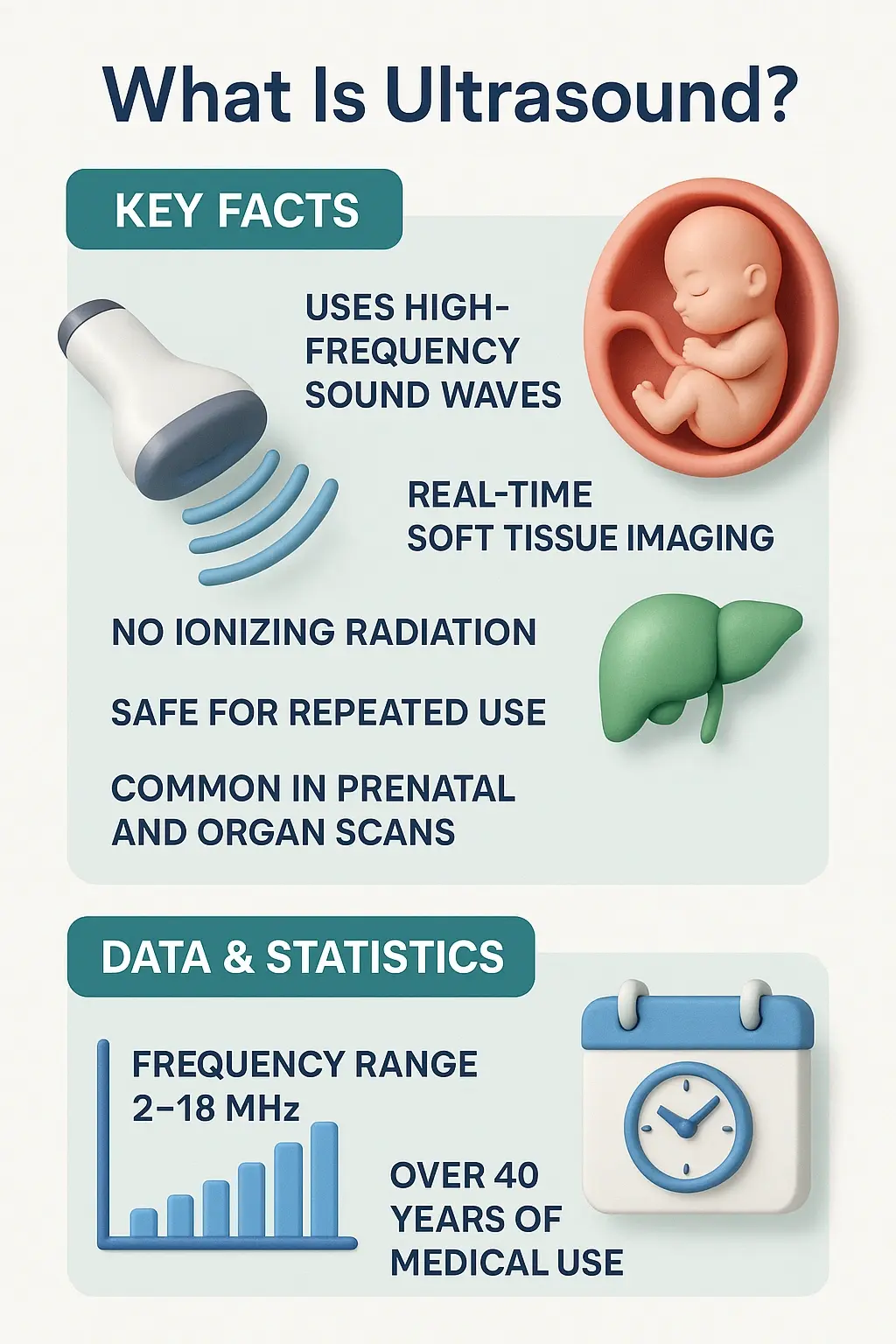
What Is Ultrasound
The medical use of ultrasound began in the mid-20th century, inspired by sonar technology developed during World War II. In the 1950s, the first medical ultrasounds were used to visualize fetal development and detect internal abnormalities. Since then, advances in computer technology and imaging resolution have made ultrasound one of the most essential diagnostic tools in modern medicine — offering quick, clear, and reliable results.
The basic ultrasound definition is a diagnostic imaging technique that uses high-frequency sound waves to create live images or pictures of the inside of your body. Its main purpose is to help doctors diagnose and monitor various medical conditions. From checking the health of a baby during pregnancy to finding the cause of stomach pain, this test is a powerful tool for doctors.
The process is quite clever and works like the sonar that bats or ships use. A small, hand-held device called an ultrasound transducer is placed on your skin. This device sends out high-frequency sound waves that you cannot hear. These waves travel into your body and hit organs and tissues. When they hit something, they bounce back, creating echoes. The ultrasound machine detects these echoes and uses a computer to turn them into a live picture on a screen.
Many people get confused between an Ultrasound and an X-ray. While both help doctors see inside the body, they are very different. The biggest difference is that an Ultrasound uses sound waves, which are completely safe. X-rays, on the other hand, use a small amount of radiation. This is why an Ultrasound is the preferred method for checking on a baby during pregnancy. It is also better for looking at soft tissues like the liver, kidneys, and heart, while X-rays are excellent for looking at bones.
Feature Ultrasound X-ray MRI (Magnetic Resonance Imaging)
Technology Used High-frequency sound waves Ionizing radiation Magnetic fields and radio waves
Best For Soft tissues, organs, blood flow, pregnancy Bones, teeth, chest (lungs) Detailed images of soft tissues, brain, joints
Safety Very safe, no radiation Uses a small amount of radiation Safe, no radiation, but not for people with certain metal implants
Procedure A gel is applied, and a probe is moved over the skin You stand or lie still for a quick image capture You lie inside a large, tube-like machine for a longer period

Common Types of Ultrasound Scans

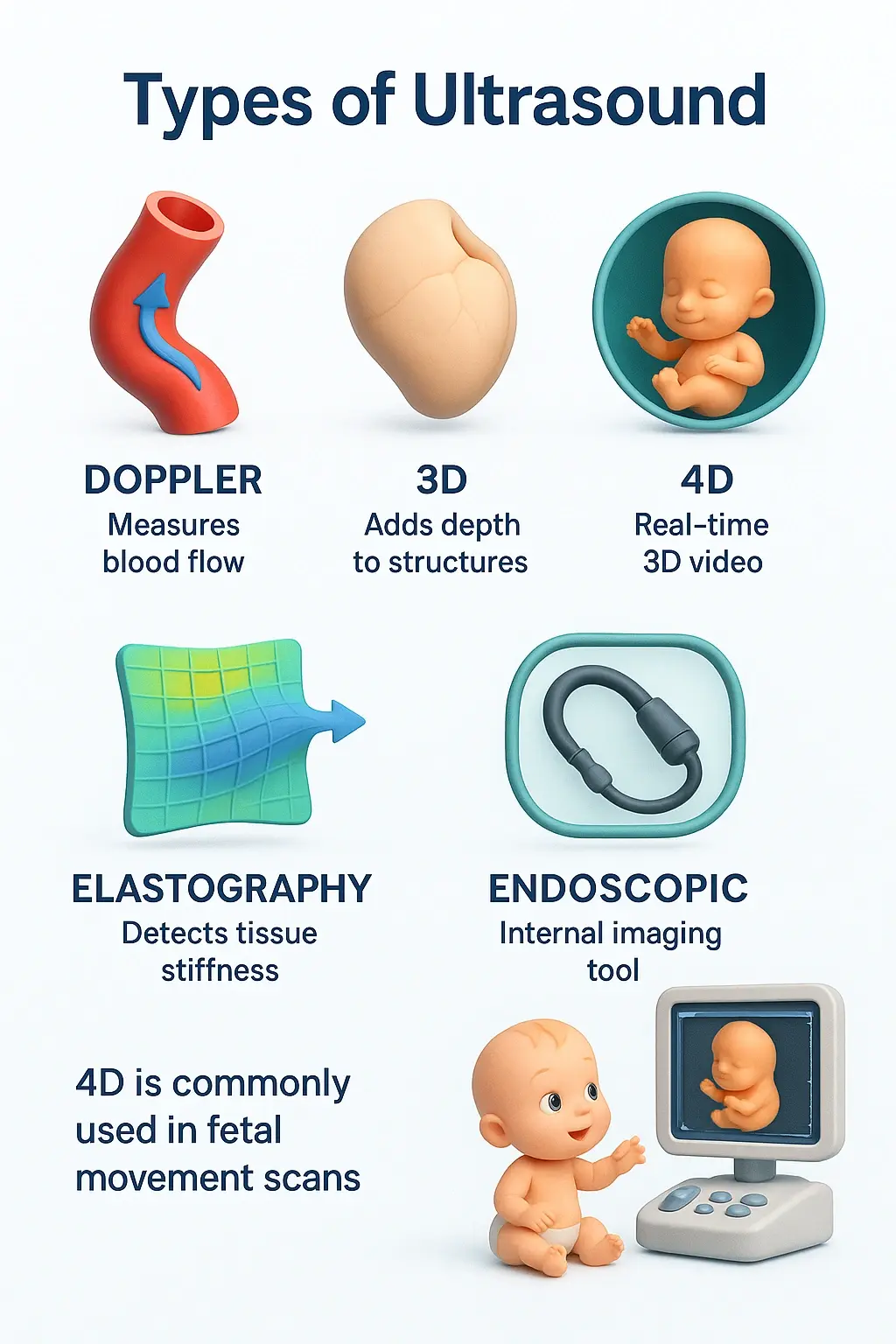
There are many different ultrasound types, each designed to look at a specific part of the body. Your doctor will choose the right type based on your symptoms and what they need to investigate. This ensures they get the clearest pictures of the area of concern.
This scan is used to look at the organs in your belly, such as the liver, gallbladder, spleen, pancreas, and kidneys. An ultrasound for liver problems or an ultrasound of kidney to check for issues is a very common procedure. It can help find the cause of stomach pain or check for stones.
An ultrasound of pelvis examines the organs in the lower part of your belly, between the hips. For women, this includes the uterus, ovaries, and bladder. An ultrasound of uterus is common for gynaecological issues. For men, it looks at the bladder and prostate gland.
This is perhaps the most well-known type. It’s used to monitor the health and development of a baby in the mother’s womb. From the very early ultrasound 6 week pregnancy scan to later growth checks, it provides vital information for both the mother and the doctor.
A Doppler Ultrasound is a special technique that measures the flow of blood through your blood vessels. It can help doctors see if blood is flowing properly through your arteries and veins in your arms, legs, or neck. It is crucial for detecting blockages or clots.
Types Of Ultrasound
Sometimes, to get a clearer picture of the pelvic organs, the probe needs to be closer. For a transvaginal ultrasound, a small, thin probe is placed inside the vagina to get a better view of the uterus and ovaries. Similarly, a transrectal ultrasound involves placing a probe in the rectum to examine the prostate gland.
This type of scan is used to look at muscles, tendons, ligaments, and joints. It’s very useful for diagnosing sprains, tears, and other injuries related to sports or accidents. Doctors may also recommend ultrasound therapy for some of these conditions, which uses sound waves to promote healing.

Why Is an Ultrasound Done?

Doctors recommend an ultrasound test for many reasons. It is a versatile tool that gives them a real-time view of what is happening inside the body without any invasive surgery.
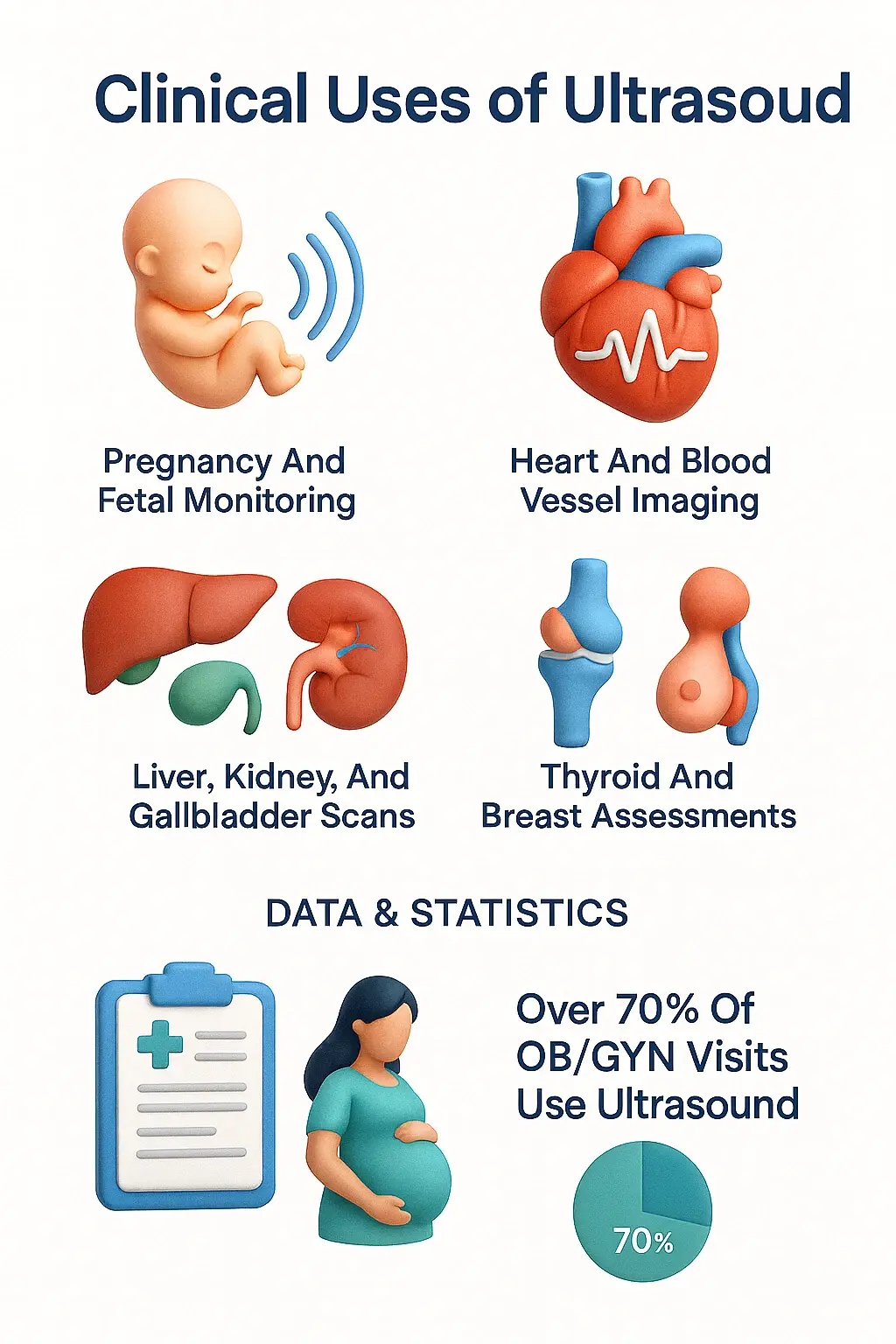
Clinical Uses of Ultrasound
The most common reason is to check on a developing baby. An ultrasound in pregnancy is used to confirm the pregnancy, check the baby’s heartbeat, see its growth, and ensure everything is developing normally. It’s a wonderful way for parents to see their baby for the first time.
If you have symptoms like pain, swelling, or abnormal blood test results, a doctor may order a scan to investigate. For example, an ultrasound upper abdomen can help diagnose gallbladder stones or liver issues. An ultrasound for kidney stones can quickly identify the size and location of stones causing pain. Similarly, a scan can check for issues in the heart, thyroid gland, and other organs.
An Ultrasound is like a guide for doctors. When they need to take a small tissue sample (a biopsy) from an organ like the liver or a lump, they use the live Ultrasound image to guide the needle to the exact spot. This makes the procedure more accurate and safer.
If you have unexplained pain in your stomach, a scan like an ultrasound abdomen and pelvis can help find the cause. If you have swelling in your leg, a Doppler scan can check for blood clots. It is a primary diagnostic tool for a wide range of symptoms, helping doctors make a quick and accurate diagnosis.

Ultrasound in Pregnancy: What You Should Know

For expecting parents, pregnancy scans are milestones. These scans provide reassurance and critical information about the baby’s health. The journey often begins with an early Ultrasound to confirm the pregnancy.
The first scan is usually done early on. An ultrasound 7 week or ultrasound 8 weeks scan is done to confirm the pregnancy, check if it’s in the uterus, detect the baby’s heartbeat, and estimate the due date. This early look is a very emotional and important moment for parents.
This detailed Ultrasound is usually done between 18 and 20 weeks of pregnancy. It’s also called the TIFFA (Targeted Imaging for Fetal Anomalies) scan. The sonographer carefully checks the baby’s body from head to toe, including the brain, heart, spine, and other organs, to make sure they are developing correctly. They might also check the placenta’s position, for example, in cases of a suspected ultrasound low lying placenta.
In the third trimester (the last three months of pregnancy), a growth scan may be done. This Ultrasound checks the baby’s growth, the amount of amniotic fluid around the baby, and the blood flow from the placenta to the baby. It helps ensure the baby is healthy and growing well as the delivery date approaches. A more advanced ultrasound 3d scan might be offered, which provides a clearer, more lifelike image of the baby.
In India, it is illegal to determine or disclose the sex of the fetus. The Pre-Conception and Pre-Natal Diagnostic Techniques (PCPNDT) Act strictly prohibits any form of ultrasound gender reveal. This law was made to prevent female foeticide. So, when you go for a scan, do not ask the doctor or technician about the baby’s gender, as they are legally not allowed to tell you.
Scan Name (Trimester) When It's Done Main Purpose
Viability Scan (First) 6–9 weeks To confirm pregnancy, check heartbeat, and determine the due date.
Nuchal Translucency (NT) Scan (First) 11–14 weeks To screen for chromosomal abnormalities like Down's syndrome.
Anomaly Scan / Level II (Second) 18–20 weeks A detailed check of the baby's anatomy, organs, and overall development.
Growth Scan (Third) 28–36 weeks To monitor the baby's growth, check fluid levels, and assess the placenta's health.

Role of Ultrasound in Cancer Detection

While an Ultrasound alone cannot diagnose cancer, it plays a very important role in its detection, diagnosis, and management. It is often the first imaging test done if a doctor suspects a lump or abnormality.
If a scan reveals a suspicious lump or mass, a doctor will likely need a tissue sample (biopsy) to check for cancer cells. Using Ultrasound guidance, the doctor can see the lump in real-time on the screen and guide a thin needle precisely into it to collect a sample. This is much less invasive than surgery and is a standard procedure for lumps in the breast, thyroid, and liver. Another specialised procedure is ultrasound endoscopy, where a small probe on the end of an endoscope provides images from inside the body.
For patients undergoing cancer treatment, an Ultrasound can be used to monitor the tumor. Doctors can perform scans at regular intervals to see if the tumor is shrinking in response to chemotherapy or radiationtherapy. After treatment is complete, it is also used to check for any signs of the cancer returning (recurrence), allowing for early intervention if needed.
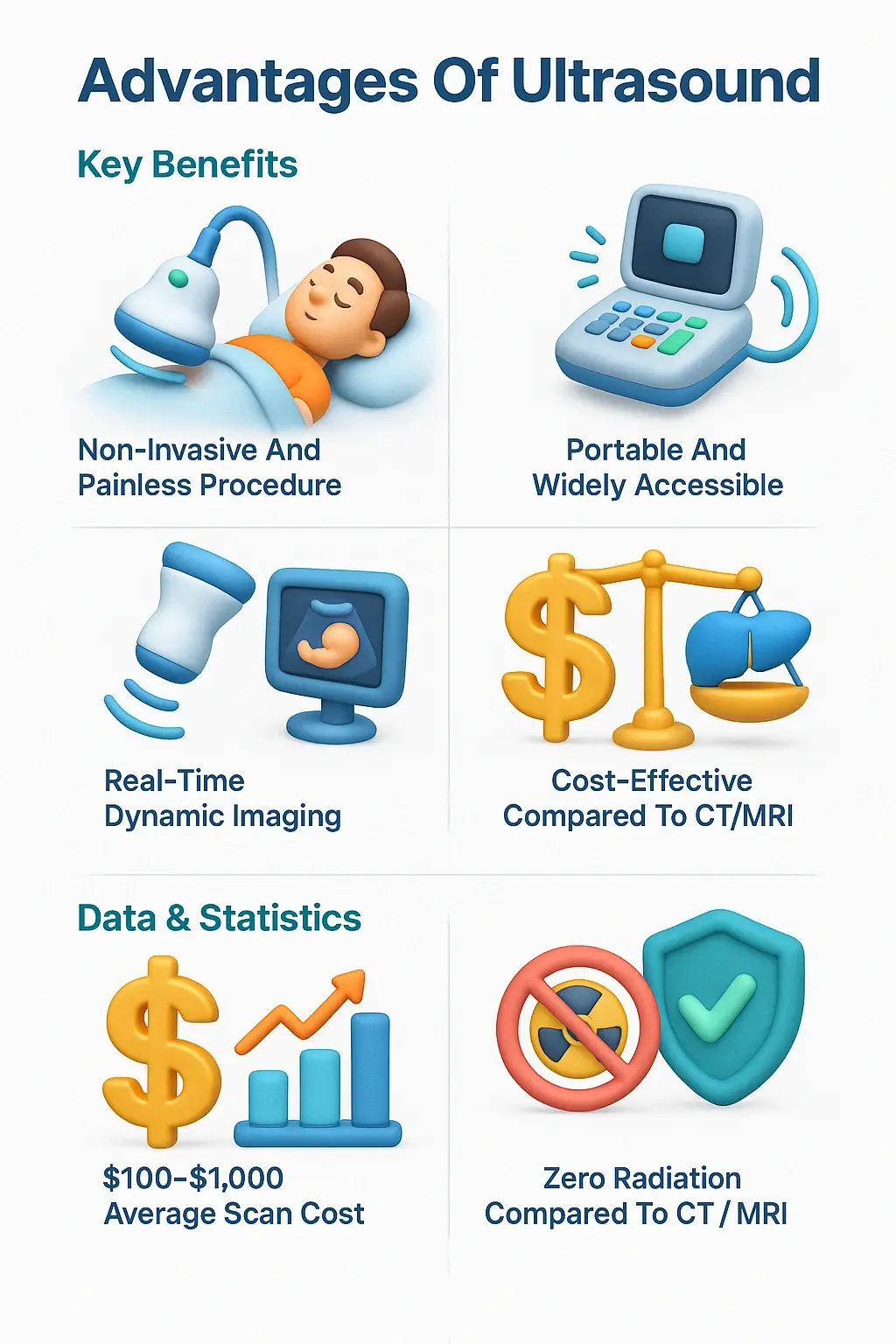
Ultrasound is important in cancer care because it is safe, uses no radiation, and can be repeated often. It provides real-time images that help doctors guide biopsies accurately. It also helps show whether a lump is solid or fluid and checks blood flow in a tumor. Ultrasound is widely available, portable, and more affordable than CT or MRI.
Advantages Of Ultrasound
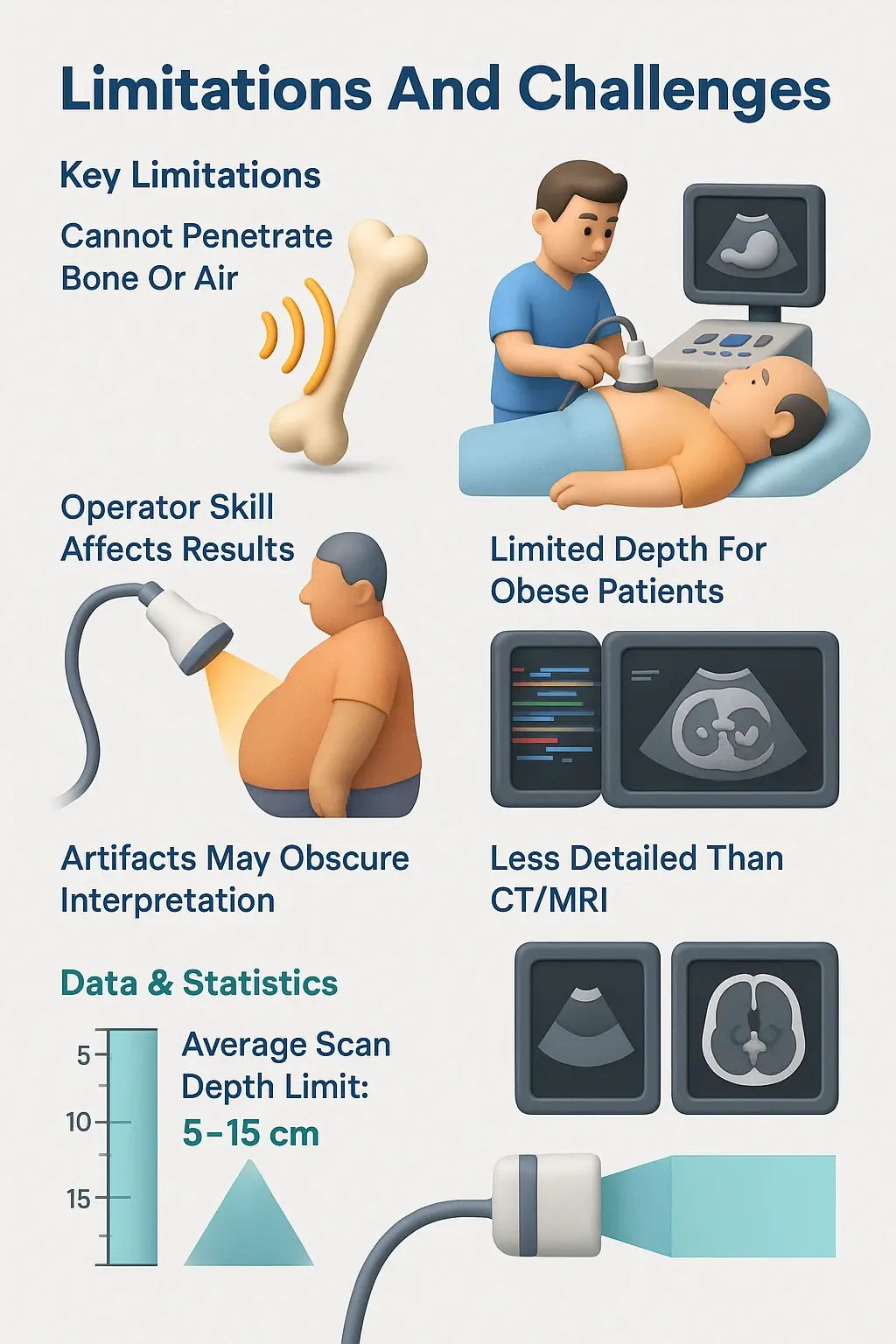
Ultrasound has limitations because the image quality depends strongly on the skill of the person performing the scan. It cannot clearly show structures that contain bone or gas, so areas like the brain, lungs, or bowel are difficult to assess. It also provides less detailed information about deeper or more complex tumors compared to CT or MRI.
Limitations And Challenges

How to Prepare for an Ultrasound Test

Preparation for an ultrasound scan is usually very simple, but it depends on the type of scan you are having. Following the instructions carefully ensures that the person performing the scan gets the best possible images.

⦿ Fasting: For an abdominal scan (like one for the liver or gallbladder), you may be asked not to eat or drink for 6 to 8 hours before the test. This is because food and gas in your stomach and intestines can block the sound waves and make it hard to see the organs clearly.

⦿ Full Bladder: For a pelvic or early pregnancy scan, you will be asked to drink several glasses of water an hour before your appointment and not go to the toilet. A full bladder pushes the intestines out of the way, giving the sonographer a clear view of the uterus and ovaries.

Wear loose, comfortable clothing for your appointment. You may be asked to change into a hospital gown depending on the area being scanned. It’s best to leave jewellery at home. The main goal is to allow easy access to the part of your body that needs to be scanned.
Before your scan, you should tell your doctor about any medications you are taking, including over-the-counter medicines and supplements. In most cases, you can continue taking your regular medication. However, it’s always best to check with your doctor for any specific instructions related to your scan.
Type of Ultrasound Scan Preparation Required Why It's Needed
Abdominal (Liver, Gallbladder) Fast for 6–8 hours. To reduce gas and ensure a clear view of the abdominal organs.
Pelvic / Early Pregnancy Drink 4–6 glasses of water 1 hour before and hold your urine. A full bladder provides a "window" to see the uterus and ovaries clearly.
Kidney You may be asked to have a full bladder. A full bladder helps in visualizing the kidneys and bladder more effectively.
Musculoskeletal / Thyroid No special preparation needed. These areas are close to the skin and are not affected by food or a full bladder.

What Happens During the Procedure?

Knowing what to expect can help you feel relaxed during your scan. The entire process is usually quick and painless.

⦿ Check-in: You will arrive at the clinic or hospital and register for your appointment.

⦿
Preparation: A nurse or ultrasound technician will take you to the scanning room. You may be asked to change into a gown.

⦿
Positioning: You will lie down on a comfortable examination table.

⦿
Gel Application: The technician will apply a special water-based ultrasound gel to your skin over the area to be examined. This gel helps the sound waves travel from the transducer into your body.

⦿
Scanning: The technician will press the transducer firmly against your skin and move it around to capture images from different angles. You will see the black-and-white images on a computer screen.

⦿
Completion: Once enough images are captured, the technician will wipe off the gel, and you can get dressed.

Most scans take between 15 to 30 minutes. You won’t feel the sound waves at all. The only thing you might feel is a cool sensation from the gel and light pressure from the transducer as it is moved over your skin. If you are having a scan because of a painful area, you might feel slight discomfort when the transducer passes over it.
The ultrasound test is extremely safe. There is no radiation involved, and there are no known harmful side effects. After the scan, you can immediately go back to your normal activities, including eating and drinking. There is no special aftercare required. If you are interested in this field, you might consider an ultrasound course or a full ultrasound technician course to become a professional.

Ultrasound Test Results Explained

After your scan is complete, the images are reviewed by a radiologist, who is a doctor specially trained to interpret them.
The radiologist will look at the images to check the size, shape, and texture of your organs and tissues.

⦿ Normal: This means that the organs look healthy and there are no signs of any problems.

⦿ Abnormal: This could mean many things, such as a cyst, a stone, inflammation, or a mass. The report might also show technical issues called ultrasound artifacts, which are not a medical problem but just distortions in the image.
Sometimes, an Ultrasound finding is not clear, or it points to a problem that needs more investigation. In such cases, your doctor may recommend other tests, like a CT scan, an MRI, or a biopsy, to get a more detailed picture and make a definite diagnosis.
You will receive a report with the radiologist’s findings. This report will be full of medical terms. It is very important that you do not try to interpret it on your own. Your doctor will explain the results to you in simple terms, tell you what they mean for your health, and discuss the next steps.

Is Ultrasound Safe for Everyone?

Yes, an Ultrasound is considered one of the safest medical imaging procedures available today.
The biggest safety benefit is that it does not use any ionizing radiation, unlike X-rays and CT scans. This means you can have the scan multiple times without any risk of radiation exposure. The ultrasound waves frequency is much higher than what humans can hear, but it is non-ionizing and does not damage cells. The specific ultrasound frequency used depends on the depth and type of tissue being examined.
Because it is radiation-free, it is the ideal method for monitoring a developing baby. Decades of use have shown that it is safe for both the mother and the fetus. It is a standard part of prenatal care worldwide. There are other applications too, like ultrasound use in physiotherapy, which also uses safe sound waves to treat injuries.
There are many myths about this test, but there are no proven side effects from a standard diagnostic Ultrasound. It does not cause pain, cancer, or any harm to the body. It is a trusted, safe, and reliable medical tool.

Cost of Ultrasound in India

The cost of a scan can vary quite a bit. It’s a good idea to know the factors that influence the price.
The ultrasound test price depends on the city you are in (metro cities are usually more expensive) and the type of scan. A simple scan of the ultrasound lower abdomen might cost less than a more complex Doppler study or a detailed anomaly scan during pregnancy. Prices can range from ₹500 to ₹5000 or more.
Generally, government hospitals offer scans at a much lower, subsidized cost or even for free. Private diagnostic labs and hospitals will charge more, but they might offer quicker appointments and more comfortable facilities.
If the scan is prescribed by a doctor for a diagnostic reason, it is usually covered by health insurance policies. It’s always best to check with your insurance provider beforehand. Many hospitals also offer maternity packages that include the cost of all required pregnancy scans.

Frequently Asked Questions

Is ultrasound painful?

No, an ultrasound scan is not painful at all. A water-based gel is applied to your skin, which may feel a bit cold. You might feel slight pressure as the doctor moves the probe over the area, but there is no pain.

How long does the ultrasound scan take?

A routine ultrasound scan is usually very quick and gets over in 15 to 30 minutes. However, some more detailed or specialised scans, like an anomaly scan during pregnancy, might take a bit longer, possibly up to an hour.

How soon are results available of ultrasound test?

The doctor performing the scan can see the images on the screen in real-time. They may share some immediate observations with you, but the final detailed written report is usually prepared and made available within a few hours or by the next day.

Can I eat before an ultrasound?

This depends on the type of scan you are having. For scans of the abdomen (like liver or gallbladder), you may be asked to fast. For pregnancy or pelvic scans, you might be asked to drink water to have a full bladder. Always follow the instructions given by your doctor's clinic.

How many ultrasounds are safe during pregnancy?

Ultrasounds are very safe during pregnancy as they use sound waves, not radiation. There is no fixed limit on the number of scans that are considered safe. Your doctor will only recommend an ultrasound when it is medically needed to check the health of you and your baby.

Why is an ultrasound done in pregnancy?

An ultrasound is done to check the health and development of your baby. It helps confirm the due date, listen to the heartbeat, check for multiple babies, and ensure the baby's organs are growing properly. It also helps check the position of the placenta and the baby before delivery.

Can an ultrasound detect kidney stones or cancer?

Yes, an ultrasound is an excellent tool for detecting kidney stones and cysts in various organs. It can also identify suspicious lumps or tumours that might be cancerous. However, only a biopsy can confirm if a detected mass is actually cancer.

What should I wear for an ultrasound scan?

It’s best to wear loose, comfortable clothing for your ultrasound. You may be asked to lift or remove part of your clothing depending on the area being scanned. Avoid wearing jewelry or belts that might interfere with the scan.

Can ultrasound scans detect all medical problems?

No, ultrasound scans are very useful for examining soft tissues and organs, but they can’t detect every condition. Some problems may need other tests like CT scans, MRIs, or blood work for a complete diagnosis.

Are there any side effects of having an ultrasound?

Ultrasound scans are completely safe and have no side effects because they use sound waves, not radiation. You can resume normal activities right after the scan without any recovery time.
Dr Harsh Shah - Robotic Cancer Surgeon

Written by

Dr. Harsh Shah

MS, MCh (G I cancer Surgeon)

Dr. Harsh Shah is a renowned GI and HPB Robotic Cancer Surgeon in Ahmedabad.

Dr Swati Shah

Reviewed by

Dr. Swati Shah

MS, DrNB (Surgical Oncology)

Dr. Swati Shah is a Robotic Uro and Gynecological Cancer Surgeon in Ahmedabad.

5/5 - (25 reviews)
Robotic Cancer Surgery
Best robotic cancer surgery in Ahmedabad
Privacy Overview

This website uses cookies so that we can provide you with the best user experience possible. Cookie information is stored in your browser and performs functions such as recognising you when you return to our website and helping our team to understand which sections of the website you find most interesting and useful.