WhatsApp

Magnetic Resonance Imaging (MRI)

Everything You Need to Know

Have you ever wondered how doctors can see inside your body without making a single cut? One of the most amazing ways they do this is with a special test called a Magnetic Resonance Imaging scan. It’s like a super-powerful camera that takes detailed pictures of your organs, bones, and tissues. This guide will explain everything about this incredible technology in very simple words, so even a child can understand it.

We will explore what a Magnetic Resonance Imaging scan is, why you might need one, how to prepare for it, and what happens during the test. Let’s start this journey to understand one of modern medicine’s most powerful tools.

Summary

MRI (Magnetic Resonance Imaging) is a safe, non-invasive scan that uses magnets and radio waves — not radiation — to take detailed pictures inside the body.
MRI uses a powerful magnetic field and radio signals to produce 3D images of organs, tissues, and joints. It’s especially good for soft tissue like the brain, muscles, and spine.
Unlike X-rays or CT scans, MRI doesn’t involve radiation. It’s ideal for people who need repeated scans and is commonly used to detect tumors, injuries, or brain conditions.
You’ll lie on a table that slides into a tunnel-like machine. The scan is noisy but painless. Staying still is important, and you might wear earplugs or headphones.

Understanding MRI Scan

A Magnetic Resonance Imaging (MRI) scan is a safe and painless way for doctors to get a very clear look inside your body. It doesn’t use any harmful X-rays. Instead, it uses a very strong magnet, radio waves, and a computer to create black-and-white images. These images are so detailed that they can show the difference between healthy and unhealthy tissue. Think of it as creating a detailed map of the inside of your body, helping doctors find problems and make the right diagnosis.
How Does MRI Work
The roots of MRI trace back to the discovery of nuclear magnetic resonance (NMR) in the 1940s, which scientists used in chemistry and physics. The first human MRI image was taken in 1977 by Dr. Raymond Damadian, considered a pioneer in MRI technology. Over the decades, MRI has evolved into a powerful diagnostic tool with advancements in speed, resolution, and specialized applications such as functional MRI (fMRI).

Today, MRI is a standard in radiology and diagnostic medicine worldwide, with continual innovations improving scan time, image quality, and patient comfort.
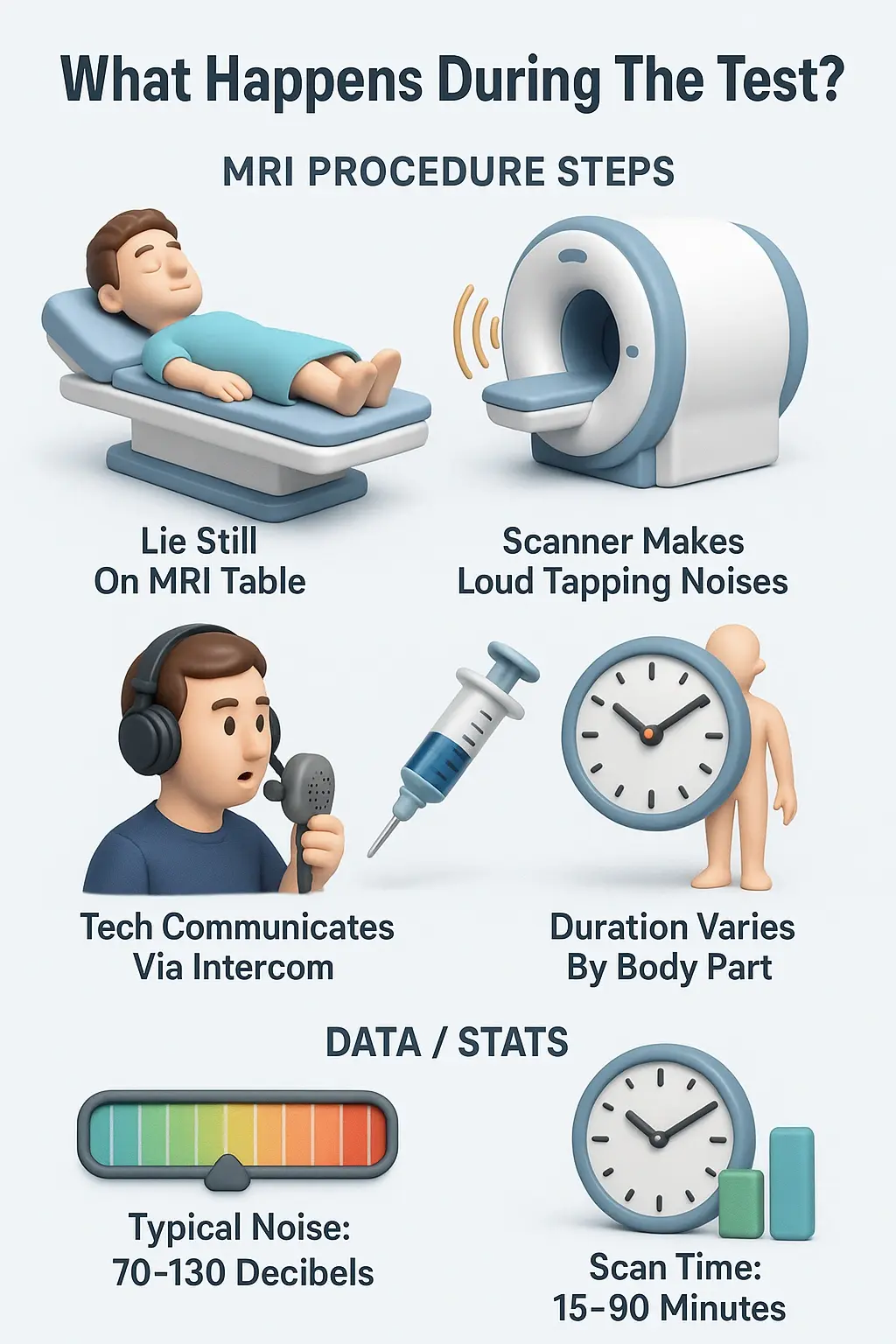
During a Magnetic Resonance Imaging scan, you will lie down on a flat bed that slides into a large, tube-shaped machine. The machine contains a powerful magnet. It’s very important to stay completely still while the pictures are being taken. You will hear loud knocking or tapping noises, which is just the machine doing its work. The radiographer (the person operating the machine) will be in another room but can see you, hear you, and talk to you through an intercom.
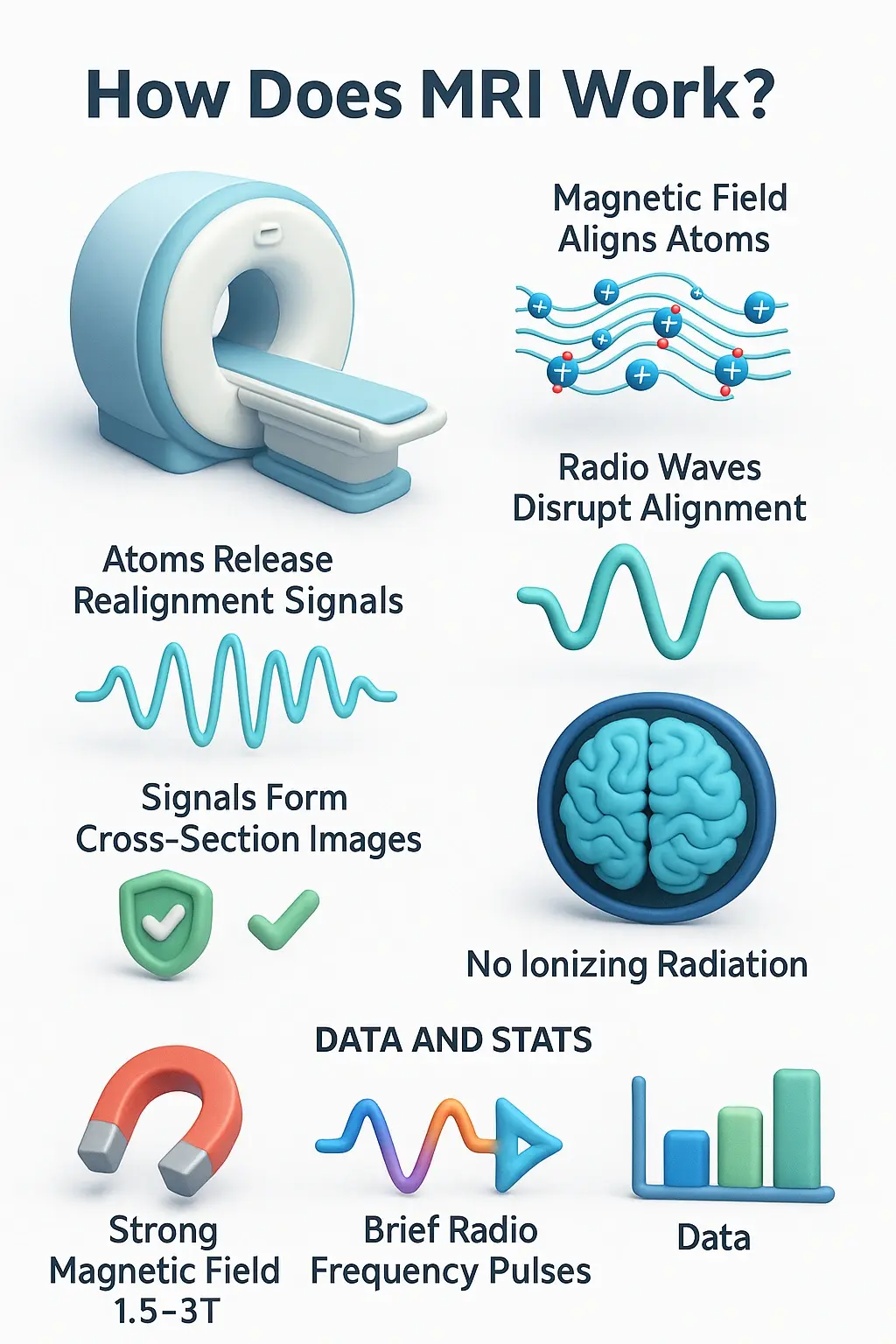
This might sound like magic, but it’s pure science! Our bodies are mostly made of water, and water has tiny particles called protons. The MRI machine’s powerful magnet lines up all these tiny protons, like little soldiers standing in a row. Then, a radio wave is sent through your body, which knocks these protons out of line. When the radio wave is turned off, the protons go back to their original position. As they do this, they send out signals that the MRI scanner picks up. A computer then uses these signals to create a very detailed picture. Many people, even in different languages, ask, “bagaimana prinsip kerja dari magnetic resonance imaging mri” which simply means, “how does an MRI work?” and this is the simple answer.
People often get confused between an MRI and a CT scan. Both are used to see inside the body, but they work differently. A Magnetic Resonance Imaging scan uses magnets and radio waves, while a CT (Computed Tomography) scan uses X-rays. MRI is excellent for looking at soft tissues like the brain, spinal cord, muscles, and ligaments. A CT scan is usually better and faster for looking at bones, chest imaging, and in emergency situations like a major injury.
Feature Magnetic Resonance Imaging (MRI) Computed Tomography (CT) Scan
How it Works Uses a strong magnetic field and radio waves. Uses multiple X-ray beams from different angles.
Best For Soft tissues like the brain, muscles, joints, and organs. Bones, lung and chest issues, cancer detection, and trauma.
Radiation No ionizing radiation is used. Uses a small, controlled amount of ionizing radiation.
Scan Time Longer, typically 30 to 60 minutes or more. Much faster, usually completed within a few minutes.

Common Uses of MRI

Doctors use Magnetic Resonance Imaging for many reasons because it provides such clear pictures. When someone asks, “what is magnetic resonance imaging used for,” the answer is quite long because of its wide range of uses. It is a key tool in diagnosing a variety of conditions, from a simple sports injury to a complex brain disorder. The detailed images help doctors to see problems that other scans like X-rays might miss.

There are many magnetic resonance imaging applications across different fields of medicine. It helps in planning surgeries, monitoring the effectiveness of a treatment, and understanding the progress of a disease without any invasive procedure. This makes the Magnetic Resonance Imaging procedure a favourite choice for doctors who need a precise and safe diagnostic method.
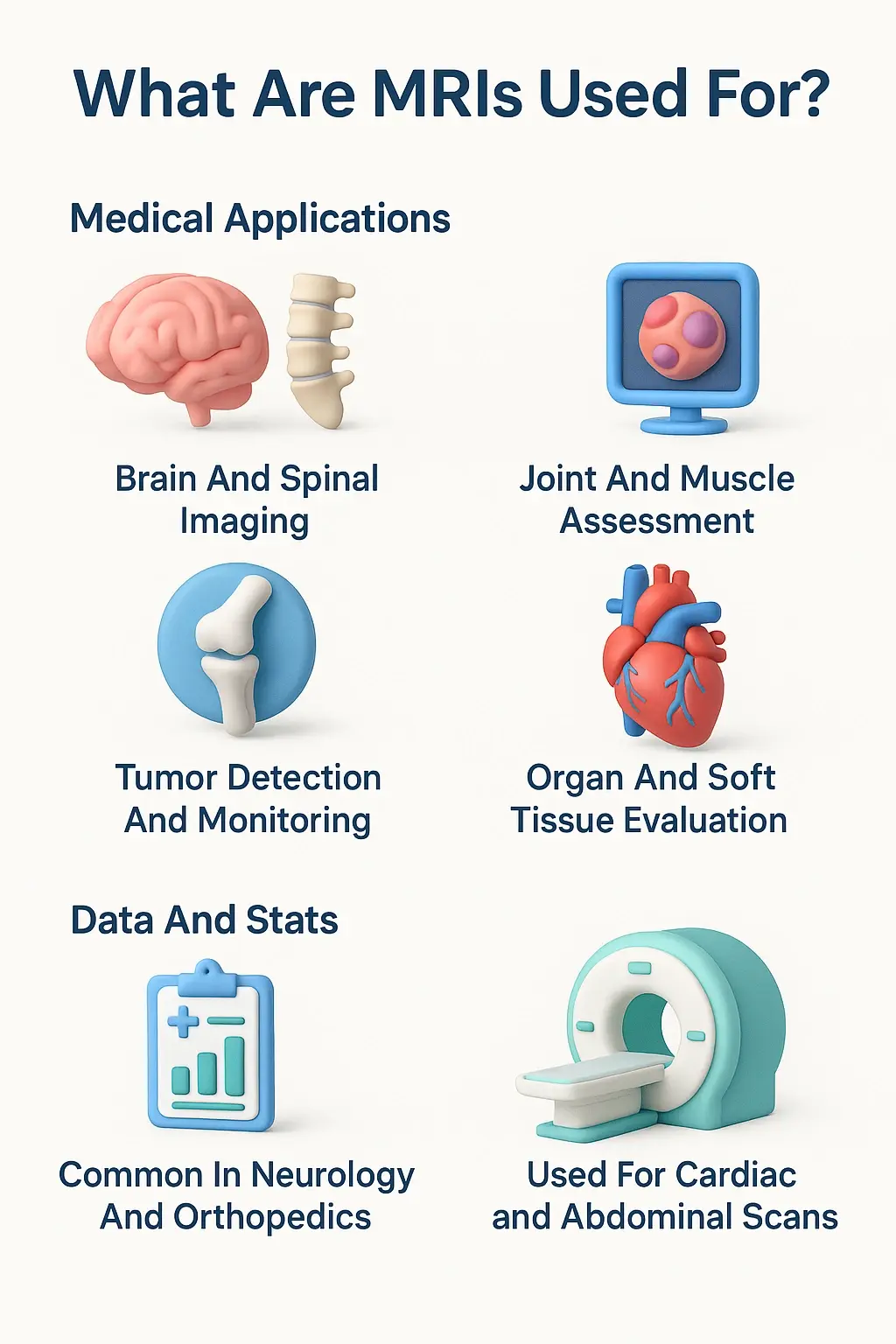
MRI is the best tool for examining the brain and spinal cord. It can help find tumours, bleeding, swelling, and problems with blood vessels. It is also used to diagnose conditions like Multiple Sclerosis (MS), stroke, and brain injuries. A specific test known as the magnetic resonance imaging mri of the brain provides doctors with exceptionally clear images, allowing them to see even the smallest abnormalities. For the spine, a Magnetic Resonance Imaging scan can show herniated discs (slipped discs), pinched nerves, and other causes of back pain.
If you have a sports injury or joint pain, your doctor might recommend a Magnetic Resonance Imaging scan. It is excellent for looking at joints like the knee, shoulder, hip, wrist, and ankle. It can clearly show tiny tears in ligaments and tendons, damage to cartilage, and other injuries to the soft tissues that X-rays cannot see. This helps athletes and others get the right treatment and recover faster.
A Magnetic Resonance Imaging scan can also be used to look at organs in your belly and chest. It helps doctors check the health of the liver, kidneys, pancreas, and other abdominal organs. It can detect tumours, inflammation, or blockages. For the heart, a special type of MRI called a Cardiac MRI can check how well the heart is pumping blood and look for damage after a heart attack.
What Are MRIs Used For
Magnetic Resonance Imaging plays a huge role in fighting cancer. It can help detect tumours in various parts of the body, including the brain, breast, and liver. It not only helps in finding cancer but also shows how big the tumour is and if it has spread to other areas. Doctors also use it to monitor how well a cancer treatment, like chemotherapy, is working by comparing scans taken over time.

Types of MRI Scans

Just like there are different types of cars for different needs, there are different types of Magnetic Resonance Imaging scans. The standard MRI gives great pictures, but sometimes doctors need to look at something very specific, like blood flow or brain activity. For these situations, they use specialized MRI techniques. These advanced scans provide even more information, helping doctors make a more accurate diagnosis. Some of these techniques include magnetic resonance imaging mri systems that are designed for very specific purposes.
A Functional MRI, or fMRI, is a fascinating type of scan that measures brain activity. It works by detecting changes in blood flow. When a part of your brain is active, it needs more oxygen, so more blood flows to that area. An fMRI can create a map showing which parts of the brain are working when you are doing a task, like talking or moving your hand. It is very useful for research and for planning brain surgery. Understanding both magnetic resonance imaging mri and functional magnetic resonance imaging fmri helps appreciate the vast capabilities of this technology.
A Cardiac MRI is a Magnetic Resonance Imaging scan focused specifically on the heart. It is a painless test that creates detailed pictures of your heart and major blood vessels. Doctors use it to check the heart’s structure and function, assess damage from a heart attack, diagnose heart diseases, and plan treatments. It gives a much clearer view of the heart muscle than many other imaging tests.
A Breast MRI is used along with mammograms to check for breast cancer, especially in women who are at high risk. It is also used to see the extent of cancer after a diagnosis has been made. While a mammogram is still the main screening tool, a Breast MRI can find some cancers that a mammogram might miss, making it a valuable secondary tool for certain patients.
Magnetic Resonance Angiography, or MRA, is a type of Magnetic Resonance Imaging scan that looks specifically at the body’s blood vessels. It can be done with or without a contrast dye. MRA can find problems like blockages, bulges (aneurysms), or tears in the arteries and veins in your brain, neck, and other parts of the body. It is a safe alternative to a traditional angiogram, which involves inserting a catheter into the body.

Another advanced technique worth mentioning is magnetic resonance imaging spectroscopy. This is a special type of MRI that can measure the chemical composition of tissues, helping doctors differentiate between different types of tumours or identify metabolic disorders.

Preparing for an MRI Scan

Preparing for a Magnetic Resonance Imaging scan is usually very simple. In most cases, you can eat, drink, and take your medications as you normally would. However, there are some important things you need to do to ensure the scan is safe and successful. The staff at the imaging centre will give you specific instructions, and it is very important to follow them carefully. Proper preparation helps the medical team get the clearest possible images.
How Should I Prepare For An MRI

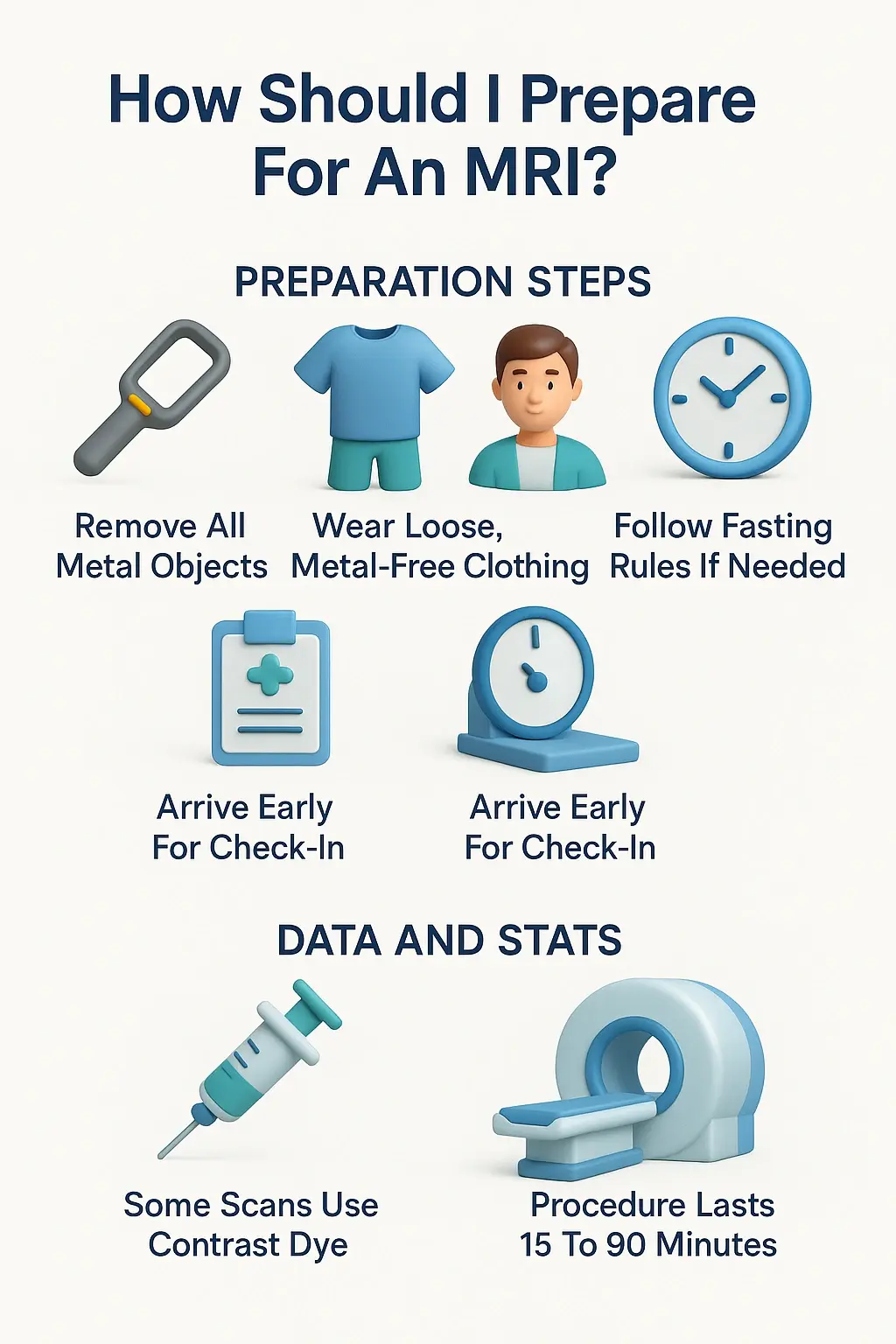
On the day of your scan, it is best to wear loose, comfortable clothing without any metal parts like zippers, buttons, or snaps. You will likely be asked to change into a hospital gown. It is very important to remove all metal objects from your body, including:

⦿ Jewellery, watches, and hairpins
⦿ Eyeglasses and hearing aids
⦿ Dentures and removable dental work
⦿ Credit cards and phones (the magnet can damage them)

For most Magnetic Resonance Imaging scans, you can follow your regular diet. However, for a scan of your abdomen or pelvis, you may be asked not to eat or drink for a few hours before the test. This is to ensure the organs in that area can be seen clearly. Always tell your doctor about all the medicines you are taking. Usually, you can continue taking them as prescribed, but it’s always best to check.
This is the most important part of the preparation. Because the MRI machine uses a powerful magnet, you must tell the doctor and the MRI technologist if you have any metal or electronic devices inside your body. The question “is an mri magnetic” is very relevant here – the answer is a strong yes, and this is why metal is a concern. Examples of implants include:

⦿ Pacemakers or defibrillators
⦿ Cochlear (ear) implants
⦿ Clips used for brain aneurysms
⦿ Metal coils placed within blood vessels
⦿ Artificial heart valves or joints
⦿ Any metal plates, pins, screws, or surgical staples

Some newer implants are MRI-safe, but it is crucial to inform the staff so they can confirm it.
Do's Before an MRI Scan Don'ts Before an MRI Scan
Do wear comfortable, metal-free clothing. Don't wear any jewellery, watches, or hairpins.
Do inform the staff about any metal implants. Don't forget to remove hearing aids and dentures.
Do follow the specific eating/drinking instructions. Don't bring credit cards or mobile phones into the scan room.
Do try to relax and lie as still as possible. Don't hesitate to ask questions if you feel anxious.

MRI Procedure: Step-by-Step

Knowing what to expect can make the Magnetic Resonance Imaging procedure less stressful. From the moment you arrive at the hospital or imaging centre, the staff will guide you through each step. The entire process is designed to be as safe and comfortable as possible for you. The main goal is to get high-quality images that will help your doctor understand your health condition better.
When you arrive, you will be asked to fill out a detailed safety questionnaire. This form asks about your medical history, any past surgeries, and especially about any metal in your body. This is a critical safety check. A radiographer or nurse will review your answers with you and answer any questions you may have. You will then be asked to change into a hospital gown and remove all metal objects.
A typical Magnetic Resonance Imaging scan can take anywhere from 30 minutes to over an hour, depending on the part of the body being scanned and how many images are needed. The radiographer will be able to talk to you through an intercom during the entire process. Once the scan is complete, the table will slide out, and you can get up. There is usually no special aftercare needed, and you can go back to your normal activities right away.
You will be taken to the MRI room and asked to lie on a padded table that slides into the scanner. The scanner is a large, tube-like machine that is open at both ends. The part of your body being scanned will be in the centre of the machine. The radiographer will make you comfortable with pillows or blankets. They will also give you earplugs or headphones to wear, as the machine makes loud banging and humming noises. It is very important to stay perfectly still during the scan to avoid blurry pictures.
What Happens During The Test

Benefits of MRI

The Magnetic Resonance Imaging scan is one of the most valuable tools in medicine today because of its many benefits. It offers a unique combination of safety and detail that is hard to find in other imaging tests. These advantages make it the preferred choice for a wide range of diagnostic challenges, helping doctors provide better care to their patients.
One of the biggest benefits of a Magnetic Resonance Imaging scan is that it is non-invasive. This means nothing enters your body, and there are no cuts or injections (unless a contrast dye is needed). The procedure is completely painless. You just have to lie still inside the machine. This makes it a much more comfortable experience compared to some other medical procedures.
Unlike X-rays and CT scans, a Magnetic Resonance Imaging scan does not use any ionizing radiation. This is a major advantage, especially for patients who may need multiple scans over time, such as those with chronic conditions or children. The absence of radiation makes it a very safe imaging technique for people of all ages.
The level of detail in MRI images is incredible. It can show very subtle differences between healthy and diseased tissues, which can be crucial for an accurate diagnosis. This high resolution allows doctors to spot problems at a very early stage, often leading to better treatment outcomes. This detailed view of soft tissues is unmatched by any other imaging modality.

Role of MRI in Cancer Detection and Management

Magnetic Resonance Imaging is a cornerstone of oncology, providing exceptional soft tissue contrast without using ionizing radiation. It plays a critical role in detecting primary tumors, accurately staging the disease’s extent, guiding treatment planning for surgery and radiation, and monitoring the effectiveness of therapy. Its versatility makes it an indispensable tool for comprehensive cancer care, from diagnosis to follow-up.
MRI’s exceptional soft tissue resolution allows it to detect subtle abnormalities that may indicate an early-stage tumor, often before they are visible on other imaging modalities. This high sensitivity is particularly valuable in screening high-risk populations, such as for breast cancer. The use of contrast agents further enhances the visibility of malignant tissues by highlighting areas of abnormal blood flow. This ability to identify small, nascent tumors enables earlier diagnosis, which is critical for improving treatment outcomes.
Once a tumor is detected, MRI is essential for accurate cancer staging. It provides precise measurements of tumor size, exact location, and the extent of its invasion into surrounding tissues, organs, or nearby lymph nodes. This detailed anatomical roadmap is indispensable for treatment planning. Surgeons use MRI scans to plan surgical resections, ensuring complete removal with clear margins, while radiation oncologists use this data to precisely target radiation therapy, minimizing damage to healthy structures.
Beyond standard anatomical imaging, advanced MRI techniques provide functional insights into tumor biology. Diffusion-Weighted Imaging (DWI) measures water molecule movement to assess cellular density, helping differentiate malignant tissue. Perfusion MRI maps tumor blood flow and vascularity, which can indicate aggressiveness. Magnetic Resonance Spectroscopy (MRS) analyzes the chemical composition of tissue to detect metabolic changes associated with cancer. These powerful techniques enhance diagnostic accuracy and allow for early assessment of a tumor’s response to therapy.

Risks and Limitations of MRI

While Magnetic Resonance Imaging is a very safe procedure, there are a few potential risks and limitations to be aware of. Understanding these can help you prepare for the scan and know what to expect. Most of these issues are related to the strong magnetic field and the enclosed nature of the machine.
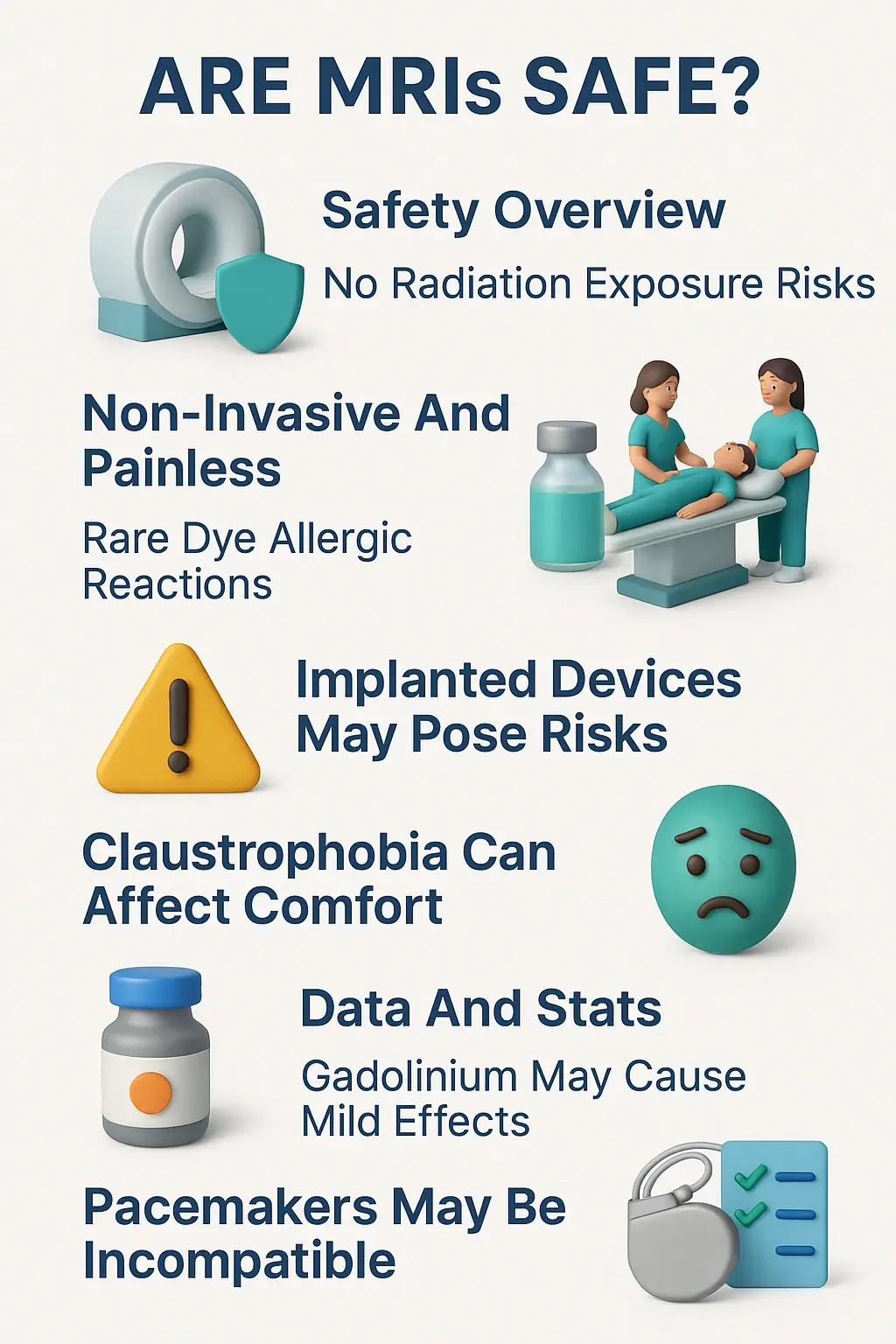
Are MRIs Safe
The MRI machine is a narrow tube, and some people may feel anxious or claustrophobic (fear of enclosed spaces) inside it. If you are worried about this, talk to your doctor beforehand. They might be able to give you a mild sedative to help you relax. Newer “open MRI” machines are also available in some centres, which can be more comfortable for larger patients or those with claustrophobia.
The MRI machine is very noisy. You will hear loud, repetitive banging, clicking, and whirring sounds. You will be given earplugs or headphones to help reduce the noise. It is also absolutely essential to stay very still during the scan. Any movement, even a small one, can make the images blurry and unusable, and the scan may need to be repeated.
The powerful magnetic field is the biggest limitation. People with certain metal implants, especially older models, cannot have an MRI. This includes most pacemakers, certain types of clips used for brain aneurysms, and cochlear implants. The magnet can cause these devices to malfunction or move, which can be very dangerous. This is why the safety screening process is so important.
Tip Description
Deep Breathing Practice slow, deep breaths to calm your nervous system. Inhale through your nose and exhale slowly through your mouth.
Visualize a Calm Place Close your eyes and imagine yourself in a peaceful and happy place, like a beach or a garden.
Listen to Music Ask if you can listen to music through the headphones provided. This can help distract you from the noise.
Communicate with Staff Remember you can talk to the technologist at any time. Knowing you are not alone can be very comforting.
Ask About Sedation If you have severe anxiety, discuss the possibility of a mild sedative with your doctor before the appointment.

MRI for Children and Pregnant Women

Special care is taken when performing a Magnetic Resonance Imaging scan on children and pregnant women. Safety is the top priority, and doctors follow specific guidelines to ensure the well-being of these patients.
MRI is often preferred for children because it does not involve radiation. However, the main challenge is getting a child to stay still for a long time in a noisy machine. For young children and infants, a sedative or general anaesthesia may be needed to ensure they remain still and calm, allowing for clear images to be captured.
Magnetic Resonance Imaging is generally considered safe during pregnancy, especially compared to tests that use radiation. However, as a precaution, it is usually avoided during the first trimester unless absolutely necessary. The use of contrast dye is also typically avoided in pregnant women unless the potential benefit greatly outweighs any potential risk to the baby.

Frequently Asked Questions

How many times can an MRI be done?

A. Since an MRI scan does not use any harmful radiation like X-rays, it is very safe. There is no set limit on how many MRI scans a person can have. Your doctor will decide how many are needed to check on your health condition over time.

Is magnetic resonance imaging (MRI) dangerous?

A. No, an MRI scan is not dangerous for most people because it does not use radiation. The primary risk is for individuals who have certain metal or electronic implants like pacemakers. This is why thorough safety checks are performed before every scan.

What should I avoid before going for an MRI scan?

You should avoid wearing any metal objects like jewelry, watches, or clothing with zippers. It’s also best to inform your doctor if you have any implants or are pregnant. Usually, you can eat and drink normally unless your doctor advises fasting.

How long does an MRI scan take?

Most MRI scans take between 20 to 60 minutes depending on the body part being examined. You will need to lie still during the process so that clear images can be captured. Sometimes, a contrast dye may be used, which can add a few more minutes.

What is the difference between an MRI and a CT scan?

An MRI uses magnetic fields and radio waves, while a CT scan uses X-rays. MRI gives more detailed images of soft tissues like the brain, muscles, and organs. CT scans are faster and better for imaging bones or detecting bleeding quickly.

Can I have an MRI if I am pregnant?

MRI is generally considered safe during pregnancy, especially after the first trimester. However, it is usually recommended only if necessary. Doctors avoid using contrast dye during pregnancy unless it’s essential for diagnosis.

Do MRI scans require any injections?

Some MRI scans need a special dye called contrast, which is injected into your vein. It helps doctors see certain tissues and blood vessels more clearly. The injection is safe for most people and the dye leaves your body naturally within a day.

Will I feel claustrophobic inside the MRI machine?

Some people may feel a bit closed-in because the MRI machine is narrow and noisy. You can ask for earplugs or music to feel more comfortable. In some hospitals, open MRI machines are available for people who are anxious.

How should I prepare for my first MRI scan?

Wear loose, metal-free clothing and leave valuables at home. Inform your doctor about any implants, allergies, or health issues. You may also be asked to remove hearing aids, dentures, or credit cards as they can be affected by magnets.

How soon will I get my MRI results?

Usually, the MRI images are reviewed by a radiologist, and your doctor will receive the report within a few days. In urgent cases, results can be available within hours. Your doctor will explain the findings and suggest the next steps if needed.
Dr Harsh Shah - Robotic Cancer Surgeon

Written by

Dr. Harsh Shah

MS, MCh (G I cancer Surgeon)

Dr. Harsh Shah is a renowned GI and HPB Robotic Cancer Surgeon in Ahmedabad.

Dr Swati Shah

Reviewed by

Dr. Swati Shah

MS, DrNB (Surgical Oncology)

Dr. Swati Shah is a Robotic Uro and Gynecological Cancer Surgeon in Ahmedabad.

5/5 - (25 reviews)
Robotic Cancer Surgery
Best robotic cancer surgery in Ahmedabad
Privacy Overview

This website uses cookies so that we can provide you with the best user experience possible. Cookie information is stored in your browser and performs functions such as recognising you when you return to our website and helping our team to understand which sections of the website you find most interesting and useful.