WhatsApp

Kidney Cancer: Can Robotic Surgery Save the Kidney?

Shah’s Gastro, Cancer & Robotic Surgery Centre

Tapping Book on WhatsApp will likely open the WhatsApp app on your phone.

Last updated: 04-Nov-2026

Robotic partial nephrectomy, radical nephrectomy and the choices between them · Gota OPD, Gota, Ahmedabad · Apollo Hospital, Bhat, Gandhinagar

IN SHORT

Most kidney cancers found today are small and sit on one side of the kidney. For these, removing only the tumour and keeping the rest of the kidney is the standard operation, and the robot is well suited to it.

A bigger tumour, or one reaching the main vein, may need the whole kidney removed. The size of the tumour and its position decide the operation, not the machine.

Some very small tumours are watched with scans instead of being operated on at once. That is a sound choice for the right person.
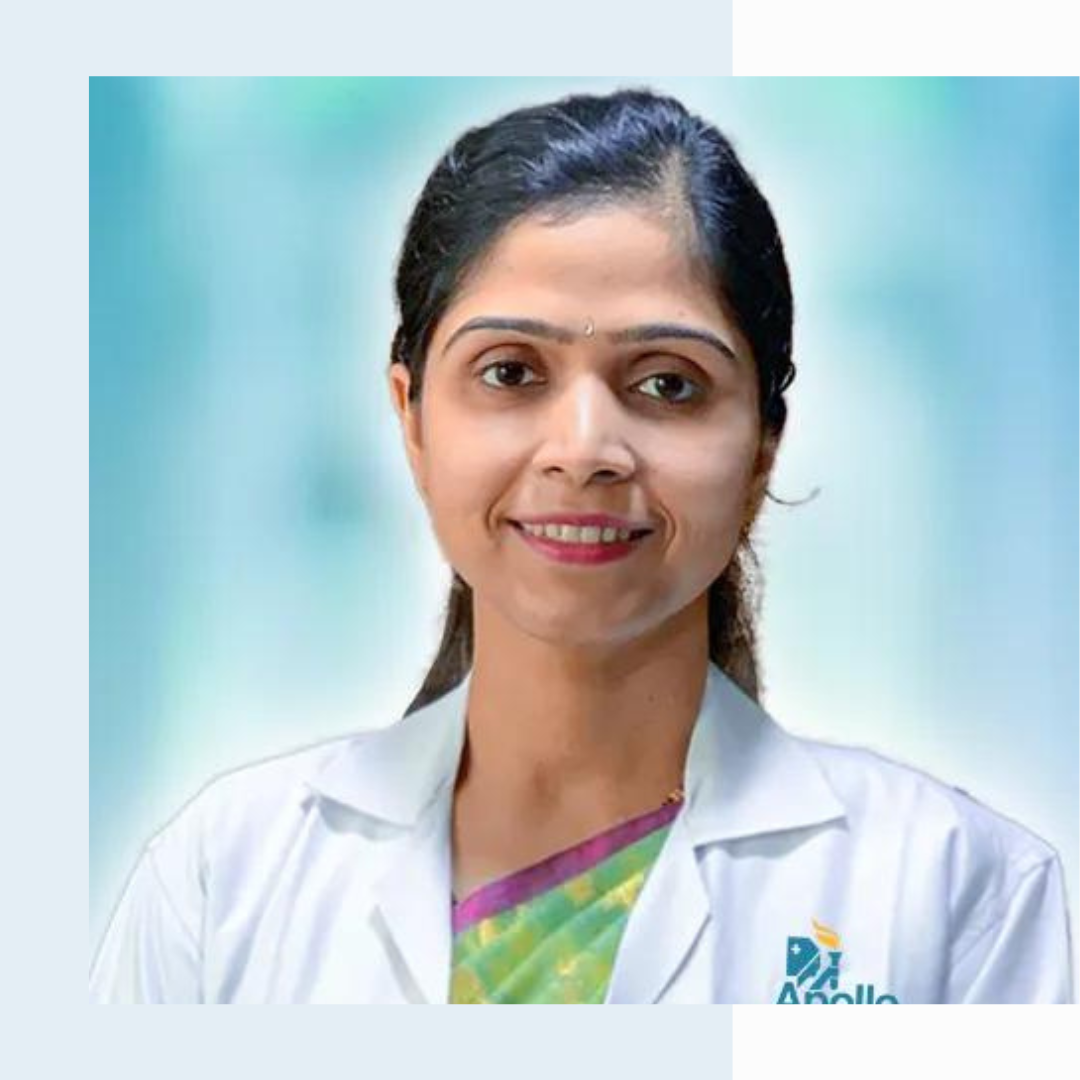
Dr Swati Shah, robotic uro-oncology surgeon, Ahmedabad

Dr Swati Shah
MS, DrNB (Surgical Oncology)
Robotic Cancer Surgeon
Apollo Hospital, Bhat, Gandhinagar · Gota OPD, Gota, Ahmedabad · 18 years of experience
★★★★★ 4.99 from 84 Google reviews (Gota clinic) · 5.0 from 37 (Apollo, Bhat)

Who advises you. Dr Swati Shah holds MS, DrNB (Surgical Oncology) and has spent 18 years in cancer surgery, after surgical training at Maulana Azad Medical College, Delhi and cancer-surgery training at Rajiv Gandhi Cancer Institute and Research Centre, Delhi. She operates on cancers of the kidney, bladder and prostate. A robotic console for kidney-sparing surgery is available at Apollo Hospital, Bhat. When another route is safer, she says so plainly.

Each case is discussed with a medical oncologist, a radiologist and a pathologist before a plan is fixed.

This page covers the operation. For the whole range of kidney cancer care, see robotic kidney cancer surgery in Ahmedabad.

What a kidney tumour is

The commonest kidney cancer is renal cell carcinoma, a growth that begins in the filtering tissue of the kidney. Many are found by chance on a scan done for another reason.

Because the kidney sits deep in the back, a tumour may grow for a long time without a sign. When there are symptoms, they are these.

  • Blood in the urine. It may be seen once and then clear for weeks.
  • A dull ache in the flank. It sits on one side of the back or loin.
  • A lump. Felt in the flank in a few patients, when the tumour is large.
  • Tiredness and weight loss. They suggest a larger or spreading tumour.

Not every growth in the kidney is cancer. Cysts are very common and mostly harmless, and a few solid growths are benign. The scan pattern, and sometimes a biopsy, tells them apart.

Tests before any decision

A good scan, and a check of how well both kidneys work, shape every decision that follows.

  1. CT or MRI with contrast. It shows the size, the position, the blood vessels, and whether the tumour has entered the renal vein.
  2. Kidney function. A creatinine and eGFR value, and sometimes a kidney scan, show how much work each kidney does.
  3. Chest scan. It looks for spread to the lungs.
  4. Biopsy. It is not needed for every tumour. It is used when the answer would change the plan, for example before watching a very small tumour or before ablation.

Keeping the kidney, or removing it

Every kidney that can be saved should be saved. Losing kidney tissue that did not have to go raises the later risk of kidney disease.

Choosing the operation by tumour size
TumourUsual choiceWhy
Small, up to about 4 cm.Partial nephrectomy, robotic where possible.The tumour is removed and the rest of the kidney keeps working.
Very small, under about 2 cm, or a frail patient.Watching with scans, or ablation.Some are slow-growing, and the operation may offer little.
Medium, about 4 to 7 cm.Partial nephrectomy if the position allows, otherwise radical.The decision rests on where the tumour sits and the scan scoring.
Large, or reaching the main vein.Radical nephrectomy, keyhole or open.The whole kidney and its fat are removed to clear the disease.

A radical operation for a small tumour is not accepted practice when a partial one can be done safely. If it cannot be done safely at one centre, the right step is to refer, not to convert.

Where the robot helps

Removing a tumour from the kidney and sewing the cut closed is fine work with a time limit. The robotic arms make that work steadier.

  • Steady, small stitches. The wrist-like tips help to close the kidney surface neatly after the tumour is cut out.
  • A magnified, three-dimensional view. The edge of the tumour and the vessels around it are easier to see.
  • Short clamp time. The blood supply to the kidney is stopped only for the time needed, and the surgeon aims to keep it as short as possible.
  • Small cuts. Less pain and an earlier walk.

The robot does not change the cancer rules. The tumour must be removed with a clean edge, and nothing more of the kidney than needed is taken. When a tumour is large, deep in the kidney or in the vein, an open or standard keyhole operation may be the safer way, and the choice is made on the scan.

The partial nephrectomy, step by step

The operation removes the tumour with a thin rim of normal kidney, and then repairs the kidney.

  1. Looking around. Through small cuts, the kidney is freed and the tumour is located, often with an ultrasound probe.
  2. Control of the blood supply. The vessels are prepared. They are clamped only if needed, and only for the time needed.
  3. Cutting out the tumour. A clean edge is the aim. A wide cut through healthy kidney is not.
  4. Repair. The urine channels inside the kidney and the bleeding vessels are closed with stitches, and the kidney surface is sewn.
  5. Taking out the tumour. The specimen goes to the laboratory, which checks the edge and the type.

The consent you sign also covers conversion to removal of the whole kidney, in case the tumour cannot be taken out safely. This is discussed in advance, not on the table.

When the whole kidney must go

A radical nephrectomy removes the kidney with the fat around it. It is the right operation for larger tumours, and one healthy kidney is enough for a normal life.

  • The adrenal gland. It is removed only if the scan shows it is involved or the tumour sits close to it.
  • Lymph glands. They are taken when they look enlarged. Routine wide removal has no proven benefit.
  • A tumour in the vein. Some kidney cancers grow into the renal vein or the large vein in the abdomen. Planning, with cardiac and vascular teams where needed, is done well before the day.

If the cancer has spread

Kidney cancer that has reached other organs is treated mainly with medicine, and surgery is used for selected patients.

Surgery on the kidney itself is no longer routine in this situation. It is considered for a fit patient with a limited spread, or a kidney tumour that bleeds or hurts. Medicines of the immunotherapy and targeted type are chosen with a medical oncologist. A single spot in the lung can sometimes be removed, and the board looks for that chance each time.

After a complete operation for a higher-risk tumour, a year of an immunotherapy drug has shown benefit. Its cost is high, and the choice is discussed openly with the family, with the gain and the expense set side by side.

Getting ready

A patient who walks daily and eats protein before the operation recovers faster.

  • Food and walking. Protein with each meal and a daily walk.
  • Kidney protection. Pain-killers of the anti-inflammatory type are avoided, since they strain the kidney. Tell the team about every tablet you take.
  • Stopping tobacco. It helps healing and the lungs.
  • Blood and heart tests. They are done in advance, and blood is kept ready for larger tumours.

Recovery and what follows

Most patients are up the same or the next day. A robotic partial nephrectomy usually means a shorter stay than open surgery.

  1. The first day. Sitting up, sips of fluid and a short walk with help. The drain and the urine tube come out in a day or two.
  2. Going home. Usually in a few days if you eat, walk and have no fever.
  3. Two weeks. The wounds are checked and the final report is explained.
  4. Six weeks. Heavy lifting and hard exercise wait until then.

Risks, said plainly

Every operation carries risk. Here they are in words, and your own figures are given in person before you sign.

Risks and what they mean
RiskWhat it means
Bleeding.The kidney has a rich blood supply. Bleeding after the operation can be early or delayed, and may need a procedure or a transfusion.
Urine leak.The kidney’s urine channels may leak where the tumour was cut. A tube is sometimes needed for a while.
Fall in kidney function.Some loss is expected, more after a whole-kidney removal. It is watched with blood tests.
Tumour edge not clear.The report may show tumour at the edge. This is rare and is discussed with you.
Change of plan on the day.A partial operation may become a radical one, or a keyhole one may become open, if safety needs it.
Infection or a clot.Watched closely. Early walking and blood thinners lower the risk.

Call the same day for these signs, because each needs a quick look.

  1. Blood in the urine that does not clear, or clots. Call the same day.
  2. Fever, or a wound that leaks. Call the same day.
  3. Sudden pain in the flank with dizziness, or one leg swollen and painful. Come in at once.

Follow-up for the years after

Checks are planned by the stage of the tumour. They look for a return, and they also protect the kidney that remains.

What follow-up looks like
WhatHow often
Clinic visit and examination.Closer together in the first two years, spaced out later.
Kidney function blood test.At each visit.
Scan of the abdomen and chest.At intervals set by the stage and the report.
Blood pressure and diet advice.At each visit, to protect the remaining kidney.

The reviews below are Google reviews of this surgeon from families treated for kidney cancer. No two people have the same disease or the same plan.

What patients and families have said

★★★★★

“My mother underwent robotic kidney surgery under the care of Dr. Swati Shah. We are very thankful to her for her excellent treatment, professional approach, and compassionate care. She explained everything clearly and guided us throughout the treatment process. We are grateful for her support and dedication. Highly recommended for anyone seeking kidney cancer treatment and robotic surgery in Ahmedabad.”

— jignesh Goswami, Google review

★★★★★

“Dr. Swati Shah performed a robotic partial nephrectomy for my mother around 4–5 years ago. We are very happy with the results, and she has been doing well since then. Dr. Shah is highly skilled, experienced, and provided excellent care throughout the treatment. We are truly grateful and would highly recommend her to anyone looking for a reliable cancer surgeon.”

— Dhruvin Patel, Google review

★★★★★

“My father had a mass in his kidney and we were very worried. Dr. Swati Shah did his operation and treated him very well. She explained everything nicely and supported us during this time. Now my father is feeling better and recovering slowly. Thank you Dr. Swati Shah for your care and support. Highly recommended her as kidney cancer surgeon in Ahmedabad”

— J J, Google review

These are shown exactly as Google holds them. They describe one family’s experience, and no two people have the same disease or plan.

Cost, insurance and admission

The cost depends on the operation, the length of stay and the room chosen. A written estimate is given before admission.

Apollo Hospital, Bhat, Gandhinagar works with the major insurers and with cashless cover, and its office handles the pre-authorisation. Please bring every scan film, the kidney function reports, any biopsy report, your medicine list and your insurance card.

Frequently asked questions

What is renal cell carcinoma?

The commonest cancer of the kidney. It starts in the filtering tissue and is often found by chance on a scan.

Can only the tumour be removed?

Often yes, especially for smaller tumours. This operation is called partial nephrectomy and keeps the rest of the kidney working.

Does the robot help in this operation?

It helps with the fine stitching and the close view needed to repair the kidney after the tumour is cut out.

When is the whole kidney removed?

When the tumour is large, deep, or has entered the main vein, and a partial operation would not be safe.

Can I live normally with one kidney?

Yes, one healthy kidney is enough for a normal life, with regular checks of kidney function.

Does every small tumour need an operation?

No. Some very small tumours are watched with scans, and some patients are offered ablation. The choice depends on size, age and health.

Is a biopsy always needed?

No. It is done when the answer would change the plan, for example before watching a small tumour or before ablation.

Which symptoms need a call on the same day?

Blood in the urine that does not clear, fever, a leaking wound, or sudden flank pain with dizziness.

Where Dr Swati Shah sees and operates

Shah’s Gastro, Cancer & Robotic Surgery Centre

Dr Swati Shah — MS, DrNB (Surgical Oncology) · Robotic Cancer Surgeon

Consultation: Gota OPD, Gota, Ahmedabad. Surgery: Apollo Hospital, Bhat, Gandhinagar.

Gota OPD — Gota, Ahmedabad, Gujarat. Directions

Apollo Hospital, Bhat, Gandhinagar — Apollo Hospital International Limited, Plot No. 1 A, GIDC Bhat Industrial Estate, Bhat, Gandhinagar, Gujarat 382428. Directions

Call: +91-63590-11009 · WhatsApp: +91-63590-11009

People travel to Ahmedabad for this surgery from across Gujarat, southern Rajasthan and western Madhya Pradesh.

Told there is a growth in the kidney? Send the CT or MRI films, the creatinine value and any biopsy report ahead. They are read first, so the visit goes to the plan. Whether robotic surgery suits you is judged only after examination. Call +91-63590-11009 · Bring the reports to the visit

Tapping Book on WhatsApp will likely open the WhatsApp app on your phone.

Get health updates from our surgeons on WhatsApp

Swasth Parivar: every week, practical advice on recovery, diet and warning signs. No advertising. Stop any time.

Your number is used for these updates and for the clinic to reach you. It is never sold or passed on. To stop, reply STOP on WhatsApp.

Robotic Cancer Surgery
Robotic cancer surgery in Ahmedabad
Privacy Overview

This website uses cookies so that we can provide you with the best user experience possible. Cookie information is stored in your browser and performs functions such as recognising you when you return to our website and helping our team to understand which sections of the website you find most interesting and useful.